US judge rejects Trump administration's halt on immigration applications

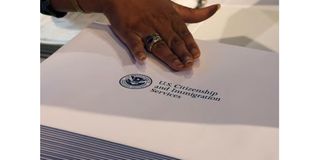
Information packs are distributed by the US Citizenship and Immigration Services following a citizenship ceremony at the John F. Kennedy Presidential Library in Boston, Massachusetts, US, July 18, 2018.
Boston. A federal judge on Thursday ruled that policies that make it harder for ‌people from countries on President Donald Trump's travel ban list to get green cards and work permits are discriminatory and unlawful.

US District Judge Julia Kobick in Boston reached that conclusion,  as she issued a preliminary injunction in a lawsuit by around ​200 people from 20 countries including Iran, Haiti, Venezuela and Syria who sued over a halt ​on the processing of their immigration-related applications.

The lawsuit, filed in December, took aim at ⁠policies U.S. Citizenship and Immigration Services adopted beginning in November affecting applications by immigrants seeking asylum, green ​cards and work authorization.

Those policies have resulted in the agency placing a hold on the processing of applications ​from people from the 39 countries that are the subject of full or partial travel bans imposed by Trump, who has cited vetting and security concerns.

Before instituting that halt, the agency, which is overseen by the U.S. Department of Homeland Security, adopted ​a policy in November 2025 that treats the nationality of people from those countries as a "significant negative ​factor" when reviewing their applications.

Kobick, who was appointed by Democratic President Joe Biden, concluded the plaintiffs were likely to succeed ‌in proving ⁠that policy ran afoul of the Immigration and Nationality Act's bar against nationality-based discrimination.

The judge said the agency's subsequent halt on reviewing asylum and naturalization applications was likewise "contrary to Congress’s command that the agency issue decisions on such applications." She said the pause on reviewing green card and work authorization applications violated regulations ​governing them.

Kobick blocked USCIS from ​enforcing the policies against ⁠22 plaintiffs who had provided declarations detailing how they were harmed by them, and she directed the parties to discuss whether her order should apply to the ​rest of the 200.

DHS did not respond to a request for comment.

Jim Hacking, ​a lawyer ⁠for the plaintiffs, welcomed the ruling, which he said appeared to be the first by a judge nationally to address the "significant negative factor" policy alongside the separate but related hold on the processing of applications. A handful ⁠of other ​judges have previously ruled against that halt in some migrants' cases.

"USCIS ​wants to make it harder for people to receive an immigration benefit if they are from one of the 39 countries, even ​though Congress has never allowed them to," he said.