Arusha. The Drugs Control and Enforcement Authority (DCEA) Northern Zone has intensified its fight against drug abuse by expanding awareness campaigns to public institutions, strengthening operations in entertainment venues, and enhancing cooperation with key stakeholders.
The move follows revelations that some public servants are among those involved in drug abuse.
It comes after DCEA Commissioner General Aretas Lyimo recently said investigations had established that some government employees in Arusha were using drugs, particularly in entertainment venues, including VIP sections of leisure spots.
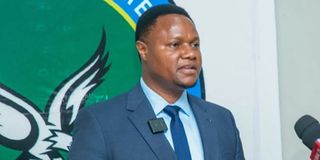
Speaking to The Citizen’s sister newspaper, Mwananchi, on Sunday, July 12, 2026, DCEA Northern Zone officer Abdulatif Saidy said the authority had stepped up awareness campaigns targeting public servants while continuing night operations in areas identified as hotspots for cannabis and khat consumption.
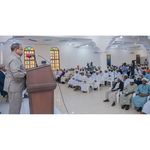
He said DCEA had started conducting seminars and awareness sessions in government institutions and departments to educate employees on the effects of drug abuse on their health, families, and work performance.
"We have seen the need to shift more focus to government institutions by providing education to public servants. We want them to understand the effects of drugs and avoid them before they destroy their lives and performance at work," said Mr Saidy.
He said the campaign was not new, noting that last year DCEA educated more than 1,500 public servants during a professional meeting before expanding the programme to reach more employees.
Mr Saidy said the authority had also engaged owners of popular entertainment venues in Arusha City, educating them on how drugs are distributed and consumed, as well as their legal responsibilities in preventing such activities.
He said owners had been instructed to display notices prohibiting drug use, cooperate with law enforcement agencies, report suspects, and prevent the sale or consumption of drugs on their premises.
However, he said some users remained a challenge, with some defying instructions and causing disturbances when stopped from using drugs.
"We did not want to begin by using force. First, we educated entertainment venue owners, then we started operations. We found some people using cannabis and khat, and legal action was taken against them," he said.
According to Mr Saidy, between July 2025 and June 2026, DCEA's Northern Zone conducted 227 operations, resulting in the arrest of 550 suspects, including 442 men and 108 women.
During the operations, authorities seized 5,417.26 kilogrammes of khat, 3,010.30 kilogrammes of cannabis, and 14 grammes of heroin in Arusha, Kilimanjaro, Tanga and Manyara regions.
In Arusha Region alone, he said 121 operations were conducted, leading to the arrest of 413 suspects, including 338 men and 75 women. Authorities also seized 1,458.26 kilogrammes of khat and 2,977.03 kilogrammes of cannabis.
Saidy said cannabis and khat remained the most commonly abused drugs in the region, adding that DCEA would continue conducting operations while encouraging people struggling with addiction to seek treatment at specialised rehabilitation centres.
Beyond enforcement operations, he said the authority had started using artists, music festivals, and sports bonanzas to reach communities, particularly young people, and raise awareness about the dangers of drug abuse.
He urged young people to avoid groups that encourage drug use and instead help educate their peers, while calling on public servants to uphold professional ethics and avoid actions that could jeopardise their careers.
Arusha District Commissioner Joseph Mkude said the district would continue working with DCEA through inspections of entertainment venues, public education campaigns, and investigations into reported cases of drug use.
"We will provide all the support needed to DCEA. There will be no mercy for anyone found allowing or participating in the sale and use of drugs. Our goal is to protect young people and ensure the community remains safe," said Mr Mkude.