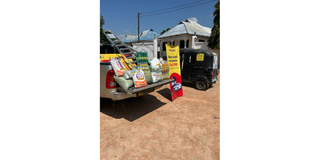
Dodoma. A quiet weekday at the Tumaini Foundation orphanage in Tanzania’s capital was briefly transformed into a bustle of activity when a convoy of vehicles arrived carrying sacks of staple food and boxes of supplies.
The delivery, organised by representatives of ride-hailing platform Maxim, provided the home with what staff say could cover roughly two to three months of basic food needs for the children living there.
The orphanage, which houses about 150 children, including some with disabilities, has long relied on donations from individuals, religious groups and organisations to sustain its daily operations. Like many care institutions across Tanzania, its costs fluctuate depending on food prices and the level of external support available.
According to the foundation’s director, who identified himself as Daniel, the donation came after the organisation shared a list of urgent items it needed to keep the home running.
The supplies included rice, beans, sugar, salt, maize flour and wheat flour—all essential ingredients in the daily meals served to the children. For many of them, the highlight of the delivery was something simpler: a stash of sweets included among the supplies.
“We received exactly what we needed,” Daniel said, thanking the company for responding to the request.
Welfare homes under pressure
Orphanages and children’s homes across Tanzania often operate under tight financial conditions. Rising food costs in recent years have increased pressure on charitable institutions that depend on donations to maintain regular meals, education support and healthcare for the children in their care.
Many such homes, particularly outside major commercial centres like Dar es Salaam, rely on occasional assistance from companies or local philanthropists.
The Tumaini Foundation is one of several organisations in Dodoma, the country’s political capital, that provide shelter and support to vulnerable children.
Ride-hailing competition intensifies
For Maxim, the visit also comes as the company tries to establish a foothold in Tanzania’s fast-growing ride-hailing sector.
The international platform operates across parts of Africa, Asia and Latin America, and entered the Tanzanian market in 2025, initially launching operations in Dodoma.
The company is licensed by the Land Transport Regulatory Authority (LATRA), which oversees ride-hailing services and other transport operators in the country.
Industry analysts say Tanzania’s ride-hailing market has expanded rapidly over the past decade, driven by urbanisation, smartphone adoption and the growing use of digital payments. Global and regional platforms compete with local services for drivers and passengers, particularly in cities such as Dar es Salaam, Arusha and Mwanza.
Maxim positions itself in the economy segment, targeting customers seeking lower-cost transport and delivery services.
Corporate outreach
Franklin Foy, a regional representative for the company, said the donation was part of its community engagement initiatives in Tanzania.
“Supporting local communities is one of our key activities,” he said during the visit, adding that businesses should measure success not only through financial performance but also through social contribution.
The visit concluded with a brief prayer led by staff at the orphanage for the well-being of the children and for the continued support of donors.
For the children at Tumaini Foundation, however, the day’s most immediate impact was far more practical: a well-stocked kitchen that will help keep meals on the table in the weeks ahead.