Commission: 518 killed in election-related violence in Tanzania, majority from gunshots

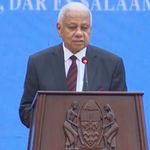
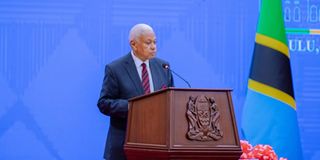
Chairperson of the Presidential Commission of Inquiry into incidents during and after the October 2025 General Election, Retired Justice Mohamed Chande Othman, presents the report at State House in Dar es Salaam on Thursday, April 23, 2026, during the official handover of the findings on post-election violence following the October 29, 2025 General Election. PHOTO | STATE HOUSE
Dar es Salaam. A Commission of Inquiry into the post-election violence of October 29, 2025 has established that 518 people lost their lives during the unrest, the majority of them from gunshot wounds, according to findings presented at State House on Thursday.

Presenting the final report, Commission Chairperson Retired Chief Justice Mohamed Chande Othman said the findings were based on extensive medical and forensic investigations, including interviews with 80 doctors and specialists, as well as postmortem examinations and hospital records from across the country.

Justice Othman said the death toll stood at 518, comprising 490 males (94.6 percent) and 28 females (5.4 percent). Among the deceased were 21 children.

He said 505 of the victims were civilians, representing 96.7 percent of the total, while 16 were members of the security forces.

“From the evidence collected, the majority of those who died were civilians caught up in the violence,” he said.

The Commission found that fatalities were concentrated in a few regions, with Dar es Salaam recording the highest number at 182 deaths, followed by Mwanza (90), Mbeya (80) and Arusha (53).

Nature of deaths and medical findings

Justice Othman said most of the deaths were classified as unnatural, although the legal determination of unlawful killing lies within the jurisdiction of the courts.

“Most of the deaths were unnatural, but legal classification is a matter for the courts,” he said.

Forensic analysis showed that 197 deaths were caused by gunshot wounds, while around 20 were attributed to other causes, including trauma and related injuries.

Medical experts also documented 166 victims with limb injuries, 36 with chest and abdominal injuries, 12 with head and neck injuries, and one case involving partial loss of body parts. Six bodies showed burn-related injuries.

Out of the 518 deaths, 373 victims were brought to health facilities already deceased, while 121 died while receiving treatment.

Justice Othman said this indicated that many victims either died instantly or shortly after sustaining injuries.

Body identification and burial

The report shows that 480 bodies were identified and collected by relatives, while 24 remain unidentified or lack full information. Six unclaimed bodies were buried under local government procedures, and three remain at Muhimbili National Hospital pending DNA analysis.

Postmortems were conducted on 260 bodies. However, some examinations were not carried out due to lack of consent from relatives or urgent burial requests.

“Some families declined postmortems and opted for immediate burial due to cultural and personal reasons,” Justice Othman said.

He added that most deaths were caused by severe blood loss, penetrating injuries, and trauma-related shock.

“The predominant cause of death was excessive bleeding resulting from severe injuries,” he said.

Injuries and wider impact

The Commission reported that by March 31, 2026, a total of 2,390 people had received treatment for injuries, including 2,270 civilians and 120 security personnel. Of these, 2,171 sustained minor injuries and were treated and discharged.

Justice Othman noted that the figures may not capture all cases, as some victims may have sought treatment outside formal health facilities or across borders.

He also said the Commission had received ongoing reports from families who have not traced their relatives, with some alleging they buried clothing in place of bodies due to missing remains.

“There are still complaints from families who have not recovered the bodies of their loved ones. These matters remain under review,” he said.

Justice Othman added that the deaths had caused deep social and economic consequences.

“The Commission recognises that these deaths have created a profound loss for families and have affected the country’s productive workforce and broader socio-economic stability,” he said.

He cautioned that the figures remain subject to further verification due to possible unreported cases or unofficial burials.