Expert identifies four high-risk pregnant groups for baby heart defects
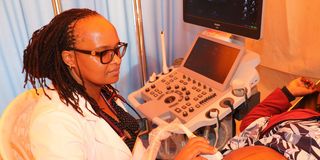
The Jakaya Kikwete Cardiac Institute (JKCI) pediatric cardiology specialist, Dr Naiz Majani, at the institute's exhibition booth at the Tanzania Building Agency (TBA) Grounds in Arusha, as part of activities to mark International Women’s Week. PHOTO | BERTHA ISMAIL
Due to the associated risks, she advised pregnant women to early attend antenatal clinics and undergo Fetal Echocardiography Screening to detect any potential heart abnormalities in the unborn child and prepare for necessary interventions.
Arusha. A Jakaya Kikwete Cardiac Institute (JKCI) pediatric cardiology specialist, Dr Naiz Majani, has identified four categories of pregnant women at high risk of giving birth to babies with congenital heart defects.
Dr Majani explained that women with pre-existing heart conditions or a family history of congenital heart defects, including previous births of children with such conditions, are more likely to have babies with heart complications due to genetic factors.
“The other high-risk groups include women expecting twins, and the last group are those suffering from chronic illnesses, and those on long-term medication such as diabetes, hypertension, or epilepsy drugs,” she said.
Dr Majani made these remarks on Friday, March 7, 2025, when speaking at the JKCI health exhibition booth at Tanzania Building Agency (TBA) Grounds, as part of activities marking International Women’s Week.
The national celebrations will be concluded tomorrow at the Sheikh Amri Abeid Stadium here.
Due to the associated risks, she advised pregnant women to early attend antenatal clinics and undergo Fetal Echocardiography Screening to detect any potential heart abnormalities in the unborn child and prepare for necessary interventions.
“Most congenital heart diseases can be treated, but early diagnosis is crucial, and timely medical intervention is essential,” she emphasised.
“It is heartbreaking when we diagnose a child with a heart defect, only to find that it is too late for surgery,” she added.
Beyond these risk factors, Dr Majani urged expectant mothers to take preventive measures, including maintaining a well-balanced, nutrient-rich diet and taking folic acid supplements.
“Pregnant women should also avoid taking unprescribed medications, alcohol consumption, and smoking, including exposure to secondhand smoke, as these can negatively impact the baby’s heart and overall organ development,” she warned.
She further outlined early warning signs that may indicate a baby has a congenital heart condition, such as difficulty in breastfeeding, excessive sweating, and a bluish discoloration of the lips, hands, and feet.
Regarding the clinic’s impact, Dr Majani revealed that JKCI has screened over 551 adults, including 91 pregnant women and 70 children for heart conditions.
“Since launching this fetal heart screening initiative, we have examined 91 expectant mothers, and five have been diagnosed with unborn babies having heart defects. They have already been referred to designated hospitals for delivery and specialized care,” she noted.
“We have also recorded their essential medical details, including estimated delivery dates, and provided them with direct contacts to ensure immediate postnatal care for the affected newborns,” added Dr Majani.
A JKCI adult cardiology specialist, Dr Engerasia Kifai highlighted that the clinic, which began on March 1, 2025, has also offered cardiovascular health education to adults, focusing on prevention and lifestyle modifications.
One of the pregnant women who underwent screening at the clinic, Ms Jasmini Mwanga, a resident of Majengo, Arusha, expressed her appreciation for the initiative.
She urged the government to establish a dedicated cardiac care unit in Arusha to enhance accessibility to specialized heart care services in the region.