Geita: Geita Gold Mining Limited (GGML) has taken oral health education to Bugulula Primary School following concerns raised by teachers over dental health among pupils.
The initiative was prompted by issues raised during a menstrual hygiene training programme organised by GGML for primary and secondary school teachers earlier this year.
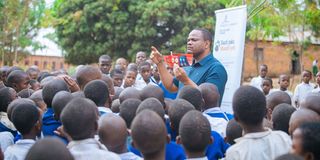
Teachers at Bugulula Primary School highlighted the need for pupils to receive practical education on oral hygiene, prompting the mining company to organise a dedicated session involving both teachers and pupils.
The session was conducted by Dr Banda Sango, a dentist from the Regional Hospital, and Dr James Kadaso, a nurse.
The health professionals educated participants on proper tooth-brushing techniques, appropriate use of toothpaste, healthy dietary choices and ways of preventing tooth decay.
Teachers were also included in the training to enable them to reinforce oral health messages among pupils after the session.
“When teachers came to us during the menstrual hygiene training and raised the issue of dental health in their school, we listened,” said GGML Senior Officer for Stakeholder and Community Engagement Doreen Dennis.
“We take a collaborative approach to community engagement and prioritise the key challenges being faced day-to-day. Our programmes are designed to open dialogue and address the needs of our communities,” she said.
Ms Dennis said the company hoped the intervention would mark the beginning of sustained efforts to improve oral health practices in schools and surrounding communities.
The initiative comes against the backdrop of concerns over access to oral healthcare in Tanzania.
Findings from Tanzania’s Fifth National Oral Health Survey show that 31.1 percent of children had experienced dental caries, with rural children more affected than their urban counterparts.
The survey also found that five-year-olds carried the highest burden of dental caries among the age groups assessed.
A 2024 review published in the journal Public Health Challenges further estimated Tanzania’s dentist-to-patient ratio at about one dentist for every 360,000 people, highlighting the shortage of dental professionals and limited access to oral healthcare services.
Health experts have increasingly emphasised the importance of preventive and school-based oral health education, particularly among children who are developing personal hygiene habits.
Untreated dental conditions such as tooth decay, gum disease and persistent toothache can interfere with eating, concentration and school attendance, while also affecting children’s confidence and academic performance.
For primary school pupils, early education on oral hygiene can therefore help establish habits that may reduce the risk of dental problems later in life.
GGML said the Bugulula initiative reflected its approach of responding to concerns identified through engagement with communities rather than relying solely on predetermined programmes.