High energy prices fuel a rise in CNG vehicle conversion uptake
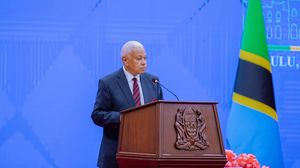
Geita Rural MP Joseph Kasheku Musukuma, debates on the ministry of Energy’s budget for the 2026/2027 fiscal year in Parliament in Dodoma yesterday. PHOTO | CORRESPONDENT
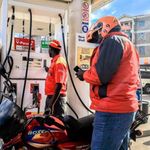
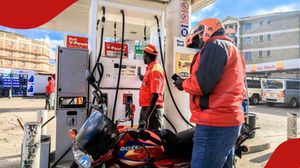
As of April 2026, petrol is retailed at about Sh3,820 per litre and diesel at Sh3,806 per litre in Dar es Salaam, after a sharp increase in the latest monthly price cap
Dar es Salaam. Rising fuel prices are rapidly reshaping the country’s transport energy mix, triggering a surge in demand for compressed natural gas (CNG) and opening fresh investment opportunities across the value chain as consumers and businesses seek more affordable and predictable energy options.
As of April 2026, petrol is retailed at about Sh3,820 per litre and diesel at Sh3,806 per litre in Dar es Salaam, following a sharp increase in the latest monthly price cap.
The surge in global fuel prices has been driven partly by ongoing geopolitical tensions, particularly conflicts involving the United States, Israel and Iran.
The situation has created supply uncertainties in global oil markets, especially in the Middle East, a key region producing a significant share of the world’s crude oil.
For many motorists and businesses, the spike has translated into higher operating costs, prompting a shift towards alternative fuels that offer greater stability and affordability.
It is within this context that CNG is gaining rapid traction.
Speaking to The Citizen yesterday, officials from Gas Company Limited (GASCO), which operates the CNG mother station along Sam Nujoma Road said the widening price gap between conventional fuels and gas is now driving behavioural change in the market.
GASCO senior mechanical engineer, Ms Flora Benedicto, said the company is witnessing a notable increase in new customers converting their vehicles to run on gas, with many citing recent fuel price hikes as the main trigger.
GASCO is a subsidiary company of the Tanzania Petroleum Development Corporation (TPDC).
“In the CNG business, it is easy to distinguish between existing and new customers. Recently, we have seen a significant increase in new users who have converted their vehicles, and many of them tell us they made the switch shortly after fuel prices went up,” she said.
She added that the affordability of CNG, currently retailing at around Sh1,550 per kilogramme, is proving to be a major attraction compared to petrol and diesel, which are both hovering at about Sh3,800 per litre.
Ms Benedicto said the growing demand is clearly reflected in station data. On April 1, the station served 492 vehicles, 1,200 tricycles and 37 buses.
By April 23, the numbers had risen to more than 700 vehicles, 1,223 tricycles and over 55 buses daily, including those operating under the Dar Rapid Transit (Dart) system.
She said the figures reflect only one station, meaning national uptake is likely higher as more CNG stations are established and supply reliability improves.
The surge in demand is also attracting investor interest in CNG infrastructure and services.
BQ Contractors Limited chief executive officer, Mr John Bura, said his company has recorded a growing number of inquiries from individuals and firms interested in investing in CNG stations.
“We are receiving many inquiries from investors who want to understand how to establish CNG stations and the requirements involved. This clearly indicates strong demand and viable business opportunities,” he said.
Mr Bura said uncertainty over future fuel prices is reinforcing the case for long-term investment in gas as a more stable and locally available energy source.
“Even if fuel prices go down, they are unlikely to fall significantly. That makes CNG not just a temporary alternative, but a sustainable long-term solution,” he said.
He added that Tanzania’s abundant natural gas reserves provide a strong foundation for expansion, although challenges remain, particularly high upfront conversion costs and limited access to financing.
He further noted that countries such as Rwanda have already adopted strong policies promoting alternative energy, including a target of ensuring that at least 30 percent of vehicles use electricity.
He said such measures help countries cushion themselves from global fuel price shocks.