Initiative uses agriculture to transform lives of youth from pour backgrounds
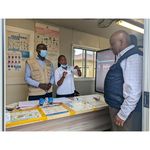
Director of Corporate Relations at Serengeti Breweries Limited, John Wanyancha (right), listens to a beneficiary of the Kilimo Viwanda Programme (left) during a farm visit at Kilacha Wazazi College in Moshi. PHOTO | COURTESY
Launched in 2020, the programme brings together four agricultural training institutions and Serengeti Breweries Limited (SBL) to support youth pursuing diploma-level agricultural education.
Dar es Salaam. Beneficiaries of an initiative that trained young Tanzanians from low-income families in agriculture have explained how they turn education into opportunity and transform their lives through the sector.
One of the beneficieries, Ms Khadija Msuguru said she nearly abandoned her studies because she could not afford tuition fees, but after graduating, she runs her own landscape and garden design business.
“I had almost given up on my education. The scholarship gave me a second chance. Today, I am using the skills I gained to create jobs and serve the market.”
Ms Msuguru is among more than 300 young Tanzanians from low-income families who have benefited from the Kilimo Viwanda Programme, an initiative that beneficiaries say has transformed their lives while strengthening the country’s agricultural sector.
Launched in 2020, the programme brings together four agricultural training institutions and Serengeti Breweries Limited (SBL) to support youth pursuing diploma-level agricultural education.
It was designed to address limited access to agricultural training due to financial constraints, alongside a shortage of skilled extension officers to support farmers, particularly in rural areas.
Another beneficiary, Octavian Burchard, says the programme reshaped how he views farming. Now managing his institution’s school farm, he is also engaged in agricultural production linked to industry.
“The programme has helped me see agriculture as a business and a pathway to industry. My goal is to produce crops that meet industrial standards,” he noted.
The programme has helped agricultural colleges reduce high dropout rates.
caused by students’ inability to pay fees.
The principal of Igabiro Training Institute of Agriculture in Muleba, Kagera, Mr Sadock Stephano, said the initiative was structured to respond to both social and sector needs.
“Kilimo Viwanda was established to ensure that capable students are not locked out of agricultural education because of financial limitations, while also addressing the shortage of extension officers needed to support farmers across the country,” he said.
Graduates of the programme are already applying their skills to help farmers improve yields, adopt modern techniques and participate more effectively in commercial agriculture—outcomes that align with Tanzania’s national development priorities on food security and productivity.
From SBL’s perspective, the programme supports sustainable sourcing while contributing to national development.
The brewer relies on crops such as maize, barley and sorghum, which are largely produced by local farmers.
“Kilimo Viwanda was established to support farmers producing key crops by strengthening agricultural skills, improving productivity and expanding market opportunities for locally grown raw materials,” said SBL Senior Manager for Communication and Sustainability Ms Rispa Hatibu.