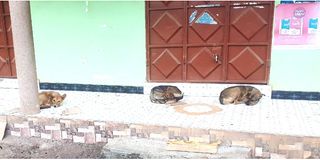
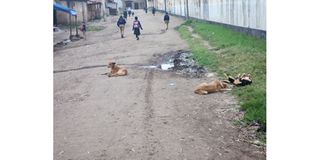
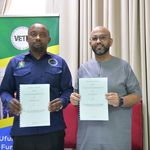
Arusha. Mbwa Wa Africa Animal Rescue, in partnership with the Arusha City Council, the Ministry of Livestock and Fisheries, and the Edgard & Cooper Foundation, has launched a free mass dog vaccination campaign aimed at eliminating rabies across Arusha City, in line with Tanzania’s commitment to the World Health Organization’s “Zero by 2030” target.
Speaking to The Citizen on May 29, 2026, the Director of Community Outreach at Mbwa Wa Africa Animal Rescue, Mr Jens Fissenebert, said the campaign will reach more than 40 vaccination sites across the city, with services offered free of charge to all dog owners.
He said the exercise will be conducted over four days, beginning on May 30 and 31, 2026 and continuing on June 6 and 7, 2026 running daily from 9:00 a.m. to 4:00 p.m. at ward offices, schools, health centres and other community locations across Arusha.
According to Mbwa Wa Africa Animal Rescue, rabies remains a serious public health threat despite being entirely preventable. The organisation noted that the disease is 100 per cent fatal once clinical symptoms appear, yet dogs are responsible for up to 99 per cent of human rabies cases in Tanzania.
He said children remain the most affected group due to higher exposure to dog bites and delays in reporting incidents.
Mr Fissenebert further explained that the campaign is designed to achieve at least 70 per cent vaccination coverage among the dog population, a threshold recommended by the World Health Organization to completely interrupt rabies transmission.
He said: “Rabies is not a disease we have to live with. Every dog vaccinated is a child protected, and every community that reaches 70 per cent coverage effectively stops the virus. This campaign is a practical step towards a rabies-free Arusha and a rabies-free Tanzania by 2030.”
The vaccination exercise is completely free of charge for all dog owners. The organisation said the vaccine being used is the MSD Animal Health rabies vaccine, which is internationally recognised, safe for dogs of all ages including puppies and pregnant females, and provides 12 months of protection with a single dose.
He said dog owners are strongly encouraged to bring all their dogs for vaccination and ensure they are properly secured using a leash or rope before arriving at any of the designated sites.
According to the campaign programme, on May 30, 2026 vaccination services will be available at several points across Arusha, including Baraa Ward Office in Kambi ya Chupa near Nejobugg Hotel, Radio Wave area in Kimandolu Ward Office, Suye Primary School, Moivaro Health Centre and Moivaro Ward Office, Moshono Kaskazini Street Office, M Social Hall, Moshono Primary School, St Monica Primary School, St Andrew Primary School, as well as Oloirien Primary School and Oloirien Ward Office.
On May 31, 2026, services will continue at Daraja Mbili Primary School, CCM Building Jamhuri, Nalopa Primary School, Njiro Secondary School, Block C1 Football Stadium opposite Bonite Bottlers, Engira KKKT area, Lemara Mwisho wa Haice and Lemara Primary School, Ngarenaro Primary School, Sakina Ward Office, Giriki Mtaa Office, Kijenge Primary School, and Andrews Nane Nane area.
On June 6, 2026, vaccination will be conducted at Burka Primary School, Elerai Ward Office, Azimio Street Office, Zashaz School, Sombeteni Dispensary, Edmund Rice area, Sinon Secondary School including Sinon Kwa Ma Laizer, Sinon Ward Office, Angelico Lipan Primary School, Sombeteni Primary School and Sombeteni Ward Office, as well as Unga Limited Primary School and Unga Limited Secondary School.
On June 7, 2026, the exercise will take place at Msasani Primary School, Muriett Ward Office, Terrat Primary School, Olasiti Ward Office, Olkereyan Street Office, Mnara wa Halotel area, Ghati Memorial Primary School, Muriet Primary School, Glorious Primary School, and Sokoni Primary School.
According to Mbwa Wa Africa Animal Rescue, rabies kills an estimated 59,000 people globally every year, with the majority of cases occurring in Africa and Asia. The organisation said vaccination remains the most effective method of prevention.
He said culling of dogs is a widespread misconception that does not eliminate rabies, as dog populations quickly recover, often increasing the number of unvaccinated animals and worsening the risk of transmission.
He explained that vaccination, combined with responsible ownership education and sterilisation programmes, builds long-term herd immunity and creates a stable, protected dog population that prevents the spread of the virus.
Mr Fissenebert said the campaign forms part of Tanzania’s contribution to the global effort to eliminate dog-mediated human rabies by 2030, led by the World Health Organization, the Food and Agriculture Organization, the World Organisation for Animal Health, and the Mission Rabies UK.
He said sustained vaccination campaigns, public awareness and timely access to post-exposure treatment remain key pillars in achieving the global “Zero by 2030” target.
He urged residents to bring all their dogs for vaccination without exception, ensure they are properly restrained, and take advantage of the free services at any nearby site.
He also encouraged communities to share information widely, saying increased participation would directly contribute to saving human lives and preventing future outbreaks.