Dar es Salaam. A new initiative aimed at accelerating renewable energy adoption and expanding electricity access to under-served communities has been launched in Tanzania, as the country steps up efforts to improve energy reliability and reduce dependence on traditional fuels.
The REPower Tanzania Initiative brings together government representatives, civil society organisations, researchers and development partners to strengthen coordination on clean energy development, policy advocacy and investment in decentralised energy systems.
The programme is convened by 350 East Africa and supported by organisations including Climate Hub Tanzania, Green Conservers, HUDEFO, ActionAid Tanzania, Indigenous Women Development Affairs, Population Development Initiative and Partnership for Green Future.
Speaking during the launch in Dar es Salaam, Principal Geologist in the Ministry of Energy Mussa Mussa, said rising energy demand requires stronger collaboration to accelerate investment in renewable energy.
He said the government has made progress in expanding electricity access and strengthening infrastructure, but achieving universal access will require broader participation from both public and private actors.
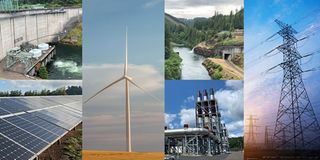
“Tanzania is endowed with abundant renewable energy resources, including solar, wind, hydropower, geothermal and bioenergy, which provide opportunities for economic growth and improved livelihoods,” he said.
Mr Mussa reaffirmed the government’s commitment to working with partners to promote clean energy development and expand access to affordable and reliable electricity.
350 East Africa Programme Manager for East Africa Rukiya Khamis said the initiative seeks to address barriers that continue to limit access to clean energy, particularly in rural areas.
She said many households remain unable to connect to the national grid due to cost constraints, even in areas where infrastructure is available.
Ms Khamis said the initiative will focus on policy advocacy, public awareness and knowledge sharing through working groups that bring together different stakeholders.
She added that it will also push for increased public and climate financing for decentralised renewable energy solutions such as solar, wind and sustainable biomass systems.
Climate expert and Climate Hub Tanzania founder, Ms Laurel Kivuyo, said expanding access to clean energy is increasingly part of the country’s climate resilience agenda.
She said communities relying on unreliable energy sources remain vulnerable to economic shocks and climate-related impacts.
Ms Kivuyo added that decentralised renewable energy systems could support local economic activity while contributing to environmental conservation.