Dar es Salaam. Tanzania has marked a major milestone in its cultural diplomacy and creative economy after Rangi Gallery became the first Tanzanian gallery to participate in Art OnO, one of Asia’s fast-growing international art fairs.
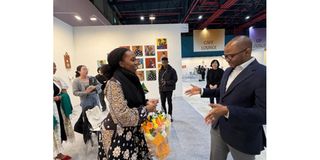
The event, held from April 2 to 5 at the SETEC Exhibition Center in Seoul, brought together 35 galleries and institutions from 12 countries, including established players from Japan, Germany and Switzerland.
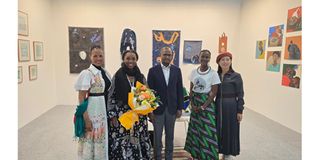
Founded by lawyer-turned-gallerist Lorna Mashiba Albou, Rangi Gallery stood alongside some of the world’s respected art institutions, showcasing contemporary Tanzanian work on a global platform.
Art OnO—short for “Art One and Only”—is designed to move beyond traditional commercial art fairs by creating a shared space for both commercial galleries and non-profit institutions. Participation, industry observers note, signals both artistic quality and institutional credibility.
At the fair, Rangi Gallery presented works from four Tanzanian artists—Theresia Venance, Tulsi Patel, Valerie Asiimwe Amani and Turakella Editha Gyindo—whose diverse practices offered a window into the country’s contemporary art scene.
Venance’s figurative portraits explored themes of womanhood and resilience, while Amani’s mixed-media works engaged with cosmology and cultural identity. Gyindo’s pieces drew on ritual and transformation, and Patel’s work used water as a metaphor for the human body and inner life.
Although the lineup featured only women, Ms Albou said the selection was based purely on merit, reflecting the strength of female artistic voices emerging from Tanzania.
The Seoul showcase comes ahead of another significant milestone for the country’s art sector. Amani and Gyindo are set to represent Tanzania at the Venice Biennale in 2026, widely regarded as the world’s most prestigious contemporary art exhibition. Ms Albou has also been appointed curator of Tanzania’s national pavilion.
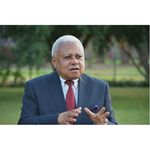
The participation in Seoul also carried diplomatic significance. Tanzania’s outgoing ambassador to South Korea, Togolani Edriss Mavura, attended the exhibition, underlining the role of the arts in strengthening cultural ties between nations.
Rangi Gallery, based in Dar es Salaam, was established after Ms Albou transitioned from a career in corporate law into the creative sector. The gallery supports both emerging and established artists and runs the Rangi Nyumbani Residency programme, which connects local creatives with international networks.
The Seoul event marks the gallery’s second international appearance, following its debut in South Africa in 2025.
Analysts say such platforms are critical in positioning Tanzania within the global creative economy, a sector increasingly recognised for its contribution to economic growth and cultural diplomacy.
While Tanzania has long had a rich artistic tradition, stakeholders note that limited infrastructure and exposure have constrained its global reach. Initiatives such as Rangi Gallery’s international engagements are now helping to bridge that gap—placing Tanzanian art, and its artists, firmly on the world stage.