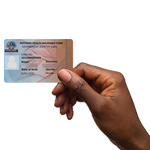
Dodoma. The Government is in the final stages of including family planning services under the universal health insurance scheme, through amendments to the National Health Insurance Fund (NHIF) Act, which are currently under discussion in Parliamentary committees.
The move comes a year after the withdrawal of the United States Agency for International Development (USAID), which prompted the Government, in collaboration with health stakeholders, to allocate US$9 million (Sh23.9 billion) in the 2025/2026 financial year to sustain family planning interventions nationwide.
Family planning is among the health services disrupted following USAID’s exit, despite being provided free of charge in Tanzania since 1991. By September 2025, data indicated a decline in the use of modern family planning methods, a key pillar of safe motherhood.

Speaking to The Citizen on Wednesday, January 21, 2025, the Director of Policy, Research and Innovation at the Ministry of Health, Dr Tumainiel Macha, said the Government is still finalising the process of integrating family planning into the insurance system.
Minor amendments to the NHIF Act are underway to include the services, with approval from President Samia Suluhu Hassan for their inclusion in a single benefits package accessible to citizens.
“We have not yet completed the process. The Bill is being discussed by Parliamentary committees and, if approved, may be deliberated in the next session of Parliament. Once everything is ready, we will issue an official statement, as several issues are still being addressed,” Dr Macha said.
Commenting on the matter, NHIF Public Relations Manager James Mlowe said all priority services previously supported by USAID and other donors are being managed under the Ministry of Health.
“All priority services continue to be managed by the Ministry. Some donors are still providing support, while others have withdrawn. In due course, the services will be incorporated into the insurance scheme. The Ministry is reviewing the situation and will provide guidance,” he said.
Policy and Budget Analyst James Mlali highlighted the benefits of including family planning in insurance, noting it would enable women to access services at any time and generate long-term savings. He added that private insurers had conducted studies showing significant cost benefits from maternal and child healthcare expenditure.
“It will help because spacing births improves both mother and child health, while allowing women to engage in income-generating activities,” Mlali said.
In September 2025, Acting Director of Maternal and Reproductive Health Services, Dr Mzee Nassoro, emphasised the importance of including family planning in insurance coverage, assuring the Government would maintain continuity during funding transitions.
MSI Tanzania Country Director Patrick Kinemo, noted that despite financial challenges following USAID’s withdrawal, embedding family planning services in the NHIF amendment Bill is a strategic step. He added that every dollar invested in family planning yields health and economic returns of up to 120 times.
“Investing in family planning is one of the most effective ways to reduce maternal and child mortality while stimulating economic growth,” Kinemo said.
Register to begin your journey to our premium contentSubscribe for full access to premium content