Arusha. Tanzanians in the diaspora, in partnership with the National Museum of Tanzania, have launched a coordinated effort to recover the remains of traditional chiefs and priests, along with priceless cultural artefacts seized during the colonial era and transported to Europe.
The Senior Curator and Head of the Collection Department at the National Museum of Tanzania, Achiles Mafure, said the initiative follows extensive studies conducted in more than ten communities across the country. “We consulted tribes that resisted colonial rule, including those involved in the Abushiri uprising and the Majimaji war,” he said. “They unanimously demanded the return of their heroes and leaders so they can finally be accorded proper customary burials.”
He added that many community members want the remains of their ancestors—some of which were taken abroad and preserved as mummies—brought home so that “their spirits may rest in peace”.
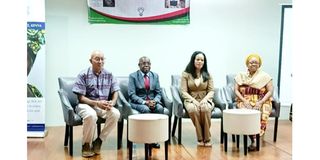
Mr Mafure was addressing delegates at the 7th Annual Pan-African Diaspora Conference 2025, held in Arusha under the theme Reclaiming Our African Future: Unity, Repatriation, and Restitution in the Spirit of Bandung. The event was organised by the Bandung Conference Africa Institute, based in Kenya, in collaboration with the 6th Region African Diaspora Alliance Tanzania, and attracted participants from across the global African diaspora.
According to Mr Mafure, the Tanzanian government has already established a special committee to guide the repatriation mission.
The Director of the Diaspora, Engagement and Opportunities Unit at the Ministry of Foreign Affairs and East African Cooperation, Salvator Marcus Mbilinyi, said members of the diaspora are strategically positioned to amplify Tanzania’s demands in the countries where the items currently reside. “As diasporans, we are championing this mission abroad to ensure that Africa’s icons, artefacts, and invaluable treasures—looted and taken overseas—are returned intact,” he said.
He cited examples including dinosaur fossils taken from Tanzania and now earning revenue for a German museum, from which Tanzania gains no benefit. Other significant items include the Queen’s throne of the Kingu people in Singida, Zaramo artefacts transported to Germany, heritage belonging to Chagga chiefs such as Chief Marealle, the skull of Mangi Meli, Wahehe battle relics, and artefacts seized from the Ngoni and Ngindo communities following the Majimaji war.
The Chairperson of the 6th Region African Diaspora Alliance, Nana Abena James, said the conference is intended to strengthen regional civil society initiatives by uniting voices from across Africa and its diaspora—including human rights advocates, climate activists, and conservationists—to support ongoing efforts on the continent.
She also noted the important role of the African diaspora in development, highlighting that in 2024 they remitted 94 billion US dollars to the continent—far exceeding the 64 billion dollars provided through official development assistance.
Recognised by the African Union as its Sixth Region, the diaspora holds significant economic, social, and cultural influence. Delegates therefore emphasised the need for stronger frameworks to boost cooperation and accelerate Africa’s development.
Register to begin your journey to our premium contentSubscribe for full access to premium content