WHO’s plan to curb drowning deaths globally

What you need to know:

  • The strategy comes as climate change, rapid urbanisation, migration, informal employment and increased reliance on water transport expose millions of people to greater drowning risks

Dar es Salaam. The World Health Organization (WHO) is set to launch a new global roadmap to help countries strengthen laws, policies and safety measures to prevent drowning, a public health challenge that claims more than 300,000 lives annually.

The PROTECT Technical Package for Drowning Prevention, which will be launched on Thursday, comes as climate change, rapid urbanisation, migration, informal employment and increased reliance on water transport expose millions of people to greater drowning risks.

The launch will come two days before Tanzania joins the rest of the world in celebrating the World Drowning Prevention Day which is observed annually on July 25.

Declared by the United Nations, this global advocacy event aims to raise awareness about the profound impact of drowning. The day promotes life-saving solutions like teaching swimming skills, installing water barriers and training bystanders.

The PROTECT Technical Package for Drowning Prevention is developed with international experts and partners.

The package provides governments with evidence-based guidance on preventing drowning through stronger legislation, regulation and coordinated action across sectors.

WHO said the initiative represents a shift from responding to drowning incidents to preventing them before they occur.

“Drowning remains one of the world’s leading, yet most neglected, public health challenges. Although the overwhelming majority of drowning deaths are preventable, many countries still lack the policies, legal frameworks and governance systems needed to keep people safe around water,” the organisation said.

The package outlines seven priority strategies, including improving infrastructure around water bodies, strengthening rescue and resuscitation services, enhancing occupational safety for water-related workers, improving water transport safety, expanding swimming and water safety education, strengthening child protection systems and improving preparedness for floods and other emergencies.

WHO said implementing the measures would help reduce drowning deaths while strengthening public health systems, climate resilience and sustainable development efforts.

The launch comes ahead of World Drowning Prevention Day, marked every July 25. This year’s campaign, themed “Unite to Turn the Tide,” calls for joint action by governments, communities, employers, educators and families to address one of the world’s most preventable causes of death.

Although global drowning rates have declined by 38 per cent since 2000, WHO said progress remains slow, with about 30 people still dying from drowning every hour.

Children remain among the most affected groups, with drowning ranking as the fourth leading cause of death among children aged one to four years and the third among those aged five to 14 years.

The burden is highest in low- and middle-income countries, which account for nine out of every 10 drowning deaths due to limited access to safety infrastructure and prevention services.

WHO warned that climate change could worsen the situation, noting that 75 per cent of flood-related deaths are caused by drowning.

The organisation urged governments to strengthen flood early warning systems, invest in community preparedness and improve emergency response planning.

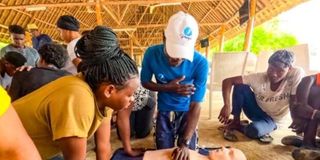
It also highlighted practical interventions, including teaching children swimming and water safety skills, providing supervised childcare, fencing dangerous water areas, covering wells and household water sources, promoting lifejacket use, improving boat safety standards and expanding cardiopulmonary resuscitation (CPR) training.

WHO said investing in prevention can deliver significant returns, citing evidence that expanding supervised childcare and children’s swimming education could save an estimated 774,000 lives by 2050 while generating a nine-fold return on investment.

For countries with high drowning rates, WHO recommends prioritising survival swimming skills for children, supervised childcare, protection of household water sources and community-based flood early warning systems.

The organisation said preventing drowning requires collective responsibility, urging employers, schools, health workers, communities and families to support safety initiatives.