Tabora. The government has raised concern over the low number of women seeking treatment for obstetric fistula, despite thousands developing the condition during childbirth every year in Tanzania.
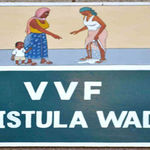
Speaking during the national commemoration of World Fistula Day held in Nkinga village, Igunga District in Tabora Region, the Deputy Permanent Secretary in the Ministry of Health responsible for Pharmaceuticals and Medical Equipment, Dr Emmanuel Tayari, said between 2,500 and 3,000 women in Tanzania suffer from fistula annually.
However, he noted that only about 1,500 women seek treatment each year.
In remarks delivered on behalf of the Ministry of Health, Dr Tayari said the low turnout showed that more awareness and encouragement were needed to ensure affected women access medical care.
He said the government was continuing to create a conducive environment for treatment and recovery.
“Fistula treatment must be provided with the aim of restoring women’s dignity and respect in our society,” said Dr Tayari.
According to him, between 50,000 and 100,000 women worldwide develop fistula every year, making the condition a major public health concern, particularly in developing countries.
Dr Tayari stressed that treatment services should be accessible to all women regardless of their financial status, adding that universal health insurance would help improve access to care.
He also commended development partners and stakeholders working with the Ministry of Health to support treatment services and awareness campaigns.
Fistula Foundation country manager, Mr Clement Ndahani, said more than 7,000 women had received fistula treatment in Tanzania since 2012.
He said all 1,463 patients treated over the past year had their medical expenses fully covered by the foundation.
“The Fistula Foundation pays all patient expenses, including transport fares and meals while they are receiving treatment in hospital,” said Mr Ndahani.
He added that the organisation, which covers about 95 percent of fistula treatment costs in the country, was also supporting the training of doctors and nurses involved in treatment services.
Earlier, the executive director of Nkinga Referral Hospital, Mr Victor Ntundwe, said the facility started providing fistula treatment services in 1983 and was now seeking to become a specialised treatment centre for the western zone.
The event was attended by residents and leaders from different parts of Tabora Region and beyond.
Register to begin your journey to our premium contentSubscribe for full access to premium content