Join Africa Urban Lab Professional Diploma in Urban Development Cohort 2026-27
Professional Diploma in Urban Development Cohort 2026-2027. 50 students from 15 African countries.
The Africa Urban Lab’s 2026–2027 Professional Diploma in Urban Development combines intensive learning in Zanzibar, practical experience, and a pan-African professional network.
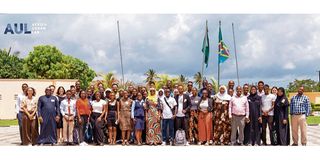
Cohort 2025-26 on graduation day.
Participants will complete:
Two intensive in-person study blocks in Zanzibar in November 2026 and April 2027
A five-month remote Capstone Project with a real-world organization
Monthly online technical workshops
Access to a growing community focused on the future of African cities
Africa’s cities are growing rapidly, creating opportunities for development, innovation, and better quality of life. Meanwhile, growth is placing pressure on land, infrastructure, housing, mobility, public finance, and local institutions. Meeting these challenges requires professionals who can understand urban systems, work across disciplines, and turn evidence into practical action.
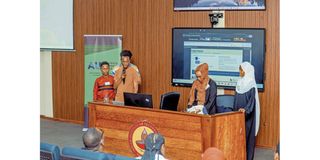
Cohort 2025-26 students presenting their class projects.
The Africa Urban Lab, based at the African School of Economics–Zanzibar, invites applications for the third cohort of its Professional Diploma in Urban Development. Starting in November 2026, the program is for professionals seeking deeper knowledge of African urbanization and practical skills for government, research, business and civil society.
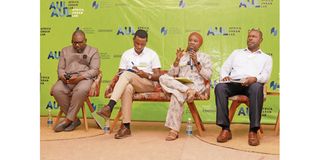
Cohort 2025-26 students representing the Africa Urban Lab at a public talk with over 150+ attendees in Zanzibar.
Cohort 2025-26 students presenting their class projects
The diploma structure
The Professional Diploma combines two intensive, in-person teaching blocks in Zanzibar with a five-month Capstone Project. The first two-week block, in November 2026, covers Urban Economics and Urban Planning. These modules examine how cities grow, how land and infrastructure shape opportunities, and how planning decisions influence productivity and access to labor markets.
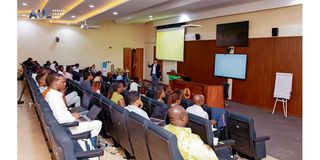
Cohort 2025-26 student during the urban economics module.
From December 2026 to April 2027, participants will return to their home countries and complete a Capstone Project with a real-world organization. The placement requires five to ten hours each week. Participants will also join monthly online technical workshops that strengthen the analytical, GIS, AI and research skills needed to deliver meaningful work.
Cohort 2025-26 student doing practical group exercises.
The program concludes with a second two-week block in Zanzibar in April 2027. Participants will study Urban Finance and Urban Governance, focusing on how cities mobilize and manage resources, build effective institutions, and make decisions in complex and rapidly changing environments.
A Learning approach grounded in practice
The Africa Urban Lab follows a “teaching hospital” philosophy. Just as medical students learn scientific knowledge and then apply it under experienced supervision, urban professionals need opportunities to test ideas against the realities of cities.
Classroom learning is connected directly to practice.
Participants engage with current research, African case studies and experienced lecturers, then apply what they have learned through the Capstone Project.
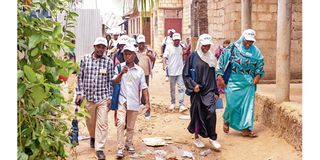
Cohort 2026-2027 students on a site visit in Zanzibar.
Working in groups, they are matched with partner organizations and asked to lead a substantive urban development assignment aligned with their skills and professional interests.
This approach helps participants build more than technical knowledge. It also develops teamwork, problem-solving, stakeholder engagement, and the ability to translate evidence into decisions institutions can use.
Who can apply?
The Diploma is ideal for early- and mid-career professionals with two to ten or more years of experience. Applications are welcomed from people working in national or local government, non-governmental organizations, multilateral institutions, research, academia, community-based organizations and the private sector.
Cohort 2025-26 student doing practical group exercises.
Applicants do not need to come from one discipline. Planners, economists, architects, engineers, policy professionals, researchers, finance specialists, program managers and other practitioners working on urban issues are encouraged to apply. What matters most is a strong interest in African cities and a commitment to using the program’s learning in policy or practice.
A Pan-African community of practice
The learning experience extends beyond the four modules. The Diploma brings together professionals from across the continent who can compare experiences, challenge assumptions and build lasting working relationships. AUL’s growing community now includes more than 80 graduates from 17 African countries.
For Tanzanian professionals, this network offers an opportunity to connect local urban challenges with lessons from other African contexts. It also creates space for collaboration among people working on similar issues in different institutions and cities.
Cohort 2025-26 students representing the Africa Urban Lab at a public talk with over 150+ attendees in Zanzibar.
Fees and scholarships
The tuition fee for the full Professional Diploma is USD 4,500. AUL provides merit- and need-based scholarships to support high-achieving applicants from different income backgrounds. There is no separate scholarship application; every applicant to the full Diploma is automatically assessed.
Scholarship categories include support for African and East African professionals, tuition-only awards, partial support for tuition and living expenses, and dedicated opportunities for eligible Zanzibar-based professionals.
How to apply
Applications for the 2026–2027 cohort close on August 1, 2026. Apply through www.aul.city/admissions
The third Professional Diploma cohort offers a place to build those skills, put them into practice through applied learning and join a continent-wide community committed to more productive, inclusive and sustainable cities.