MCL
|
MwanaClick
Home
Finance
Enterprise
Boss Talk
More
•••
Sign in
My Account
Personal details
Change password
Purchases
Sign out
Search
Home
News
National
international
Sports
Football
Basketball
Athletics
Swimming
Business
Finance
Enterprise
Boss Talk
OpEd
Editorials
Our Columnists
Guest Columns
Cartoon
Puzzles
Zanzibar
Tourism
Blue Economy
Real Estate
Tech Page
Magazines
The Beat
Smart World
Political Reforms
Market Data
Jobs
Notices
Tenders
Notices
Tenders
Services
MCL
MwanaClick
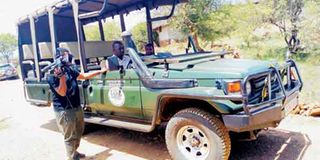
Tanzania now endorses e-car for Serengeti National Park
Tuesday, October 30, 2018 — updated on March 27, 2021
- 2 min read
An e-vehicle PHOTO | COURTESY
Also Read
Board urges employers to intervene over arrears
TCRA steps up public education to combat cybercrime
Latest
Experts push for better mental healthcare in Tanzania
US urges citizens to reconsider travel to Kenya over health risks
China deploys naval forces to monitor US warship near disputed shoal
Simba must turn confidence into continental progress
TFF to conduct doping tests amid drug-use allegations
Ndejembi accepts basketball patron role as Dar City retain BDL title
In the headlines
View All
Inside the battle for Tanzania’s vanishing green urban centres
Tanzania to block insurance payments for unregistered medicines
UK human rights envoy visits Tanzania ahead of UN review
Wanted: New strategy to tame rogue foreigners in Kariakoo