TRAVEL : A visit to a haven that is home to raw TZ culture
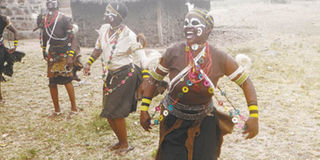
Traditional dancers at Ikoma Cultural Centre dance to the rythms of the drum as some women shocase other cultural practices. PHOTO| ELISHA MAYALLAH
What you need to know:
Nyinchoka village located nearly 12 kms outside Mugumu, a sprawling town on the highway from Bunda town, has for some time been attracting many tourists, something we wanted to witness first hand.
After days visiting local communities, making friends and learning about different cultural values of different tribes in the Lake zone region of Mara, my companion and I visited a cultural village near Mugumu town.
Nyinchoka village located nearly 12 kms outside Mugumu, a sprawling town on the highway from Bunda town, has for some time been attracting many tourists, something we wanted to witness first hand.
In Nyinchoka village is the Ikoma Cultural Centre, established to uphold the traditions of the Ikoma people. The centre serves as a vehicle for both conveying these traditions to the young generation, and to visitors.
Ikoma centre showcases the history of the Ikoma tribe and important aspects of their culture, which is narrated by the natives. Mama Agnes Makanga who runs the centre is the founder who formed a partnership with fellow villagers to make the activities at the centre consistent and lively.
After welcoming us to the centre, Mama Agnes briefed us on the history of the Ikoma people, indicating how they migrated to that part of Tanzania from Kenya. The Ikoma are hard-working, and rooted in agriculture since they abandoned hunting. They now till the land to farm millet, cassava, finger millet and maize.
We were also served a welcome drink with bakery items and then had a full lunch after the tour of the surrounding areas. Further evidences of the Ikoma are in their museum found at the centre, which has a rich collection of Kurya artefacts.
Part of the fun here is their traditional dance. Ikoma is one of the only traditional dances still practiced on the shores of Lake Victoria, and each year a number of villages invite their neighbours to a dance-off.
The performances are very interesting and creative. We were briefed on the Ikoma songs and dance routines, shown the traditional fire-dance, which is centred around the lighting of a campfire using only sticks, straws and dried cow dung, and traditional Ikoma houses and household items.
With a thundering of feet, a walloping of drums, and the screech of multiple whistles, the women of Nyinchoka village, swung their bodies into action and the Ikoma dance began. Male dancers are mostly surrounded by a thick, two-tiered line of women in a circle, clad in colourful attire and resplendent with artificial sunglasses, paint and whistles.
As the dance starts, the circle moves around, hips jutting out, elbows elevated, and the excitement begins. The better the dancer,
the more apparel she wears; heaped on her by the ecstatic supporters caught up in the excitement. Interestingly the village men, mostly watched from far, many finely fuelled for the day.
At the end of the day, tired and sweaty, but happy, the dancers and drummers eventually retreated, and those of us who were lucky enough to have been present headed further to Mugumu town for the night, heads still swirling and feet tapping.
This was my first experience of the Waikoma, and I can truly testify that there is something special about their culture.