Africa’s resource wealth: A blessing or a source of conflict?


Dar es Salaam. For decades, natural resource wealth has been viewed as one of the key pillars of development for African nations.

However, in many countries, these resources have instead become sources of conflict, political instability, and tensions between citizens and governments.

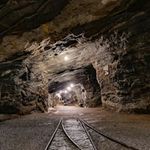
From minerals in the Democratic Republic of Congo (DRC), oil in Sudan and Libya, and diamonds in Sierra Leone to natural gas, minerals, and land in Tanzania, Africa’s experience shows that resources themselves can threaten peace and stability when poorly managed.

Analysts say the challenge is not the existence of resources, but how they are managed, shared, and protected for the benefit of citizens.

Resource conflicts across Africa

The DRC remains one of the clearest examples of a country with vast natural wealth that has continued to face prolonged conflicts, particularly in the eastern region, which is rich in valuable minerals such as cobalt, coltan, gold, and others.

Eastern DRC has experienced fighting between armed groups competing for influence and control of mineral-rich areas, resulting in deaths, displacement of communities, and setbacks in development.

The country has also faced international scrutiny over allegations of misuse of natural resources, including accusations involving powerful individuals and groups benefiting from mineral wealth while communities continue to suffer from instability and poverty.

Sudan is another example of a country where resources have fuelled tensions for decades, particularly over oil between the northern and southern regions.

The disputes contributed to the eventual separation of the country into Sudan and South Sudan in 2011.

Libya experienced similar challenges after the fall of Muammar Gaddafi’s government in 2011, when competition among rival groups for political power and control of key oil-producing areas affected the country’s stability.

Tanzania’s resource debate

Although Tanzania has not experienced armed conflicts over resources on the scale seen in some countries, it has witnessed major debates over how natural resources are managed and how citizens benefit from them.

One of the most notable examples was the 2013 natural gas dispute in Mtwara following the discovery of large gas reserves.

The government planned to construct a pipeline to transport gas from Mtwara to Dar es Salaam for industrial use and electricity generation.

The decision faced opposition from some residents of Mtwara, who argued that their region, which hosted the resource, should receive greater benefits from it.

Protests erupted, and the government responded through security agencies, sparking debate over how citizens should be involved in decisions concerning national resources.

Beyond the gas dispute, Tanzania’s mining sector has also been subject to debates over mining agreements, national revenues, and the contribution of the sector to citizens’ welfare.

A major controversy emerged in 2017 after the government imposed a ban on the export of mineral concentrates and raised concerns over alleged revenue losses in the mining sector.

In conservation areas, land-use disputes have also attracted public attention.

The Ngorongoro Conservation Area (NCA) remains a major example, with ongoing debates over balancing environmental conservation, tourism interests, and the livelihoods of communities living around protected areas.

The debate highlights a wider challenge facing many countries, ensuring national resources become drivers of development rather than sources of conflict.

Stakeholders’ perspectives

Analysing these conflicts, University of Dar es Salaam (UDSM) lecturer, Dr Richard Mbunda, says one of the biggest challenges in resource management often begins with the integrity of leaders.

He says when citizens believe leaders are not managing resources in the wider national interest, public trust in governing institutions is affected.

Dr Mbunda said the issue goes beyond resources themselves and touches on the relationship between citizens and their leaders.

“When trust declines, government decisions may begin to be viewed with suspicion, even when they are intended to promote development,” he says.

Lawyer Onesmo Kyauke shares a similar view, saying many resource conflicts begin when communities feel that the distribution of benefits from natural resources is unfair.

“Citizens may begin demanding that resources found in their areas directly benefit them, especially when they see major benefits directed elsewhere while they remain with the negative impacts of projects,” he says.

Governance analyst, Mr Deus Kibamba, links the problem to leadership systems, arguing that conflicts are influenced by how leaders are chosen and whether citizens believe their voices are respected.

He says when people lose confidence in decision-making systems, the challenge can affect social trust and national unity.

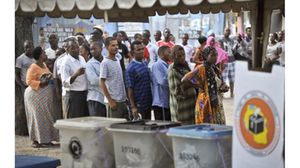
“When the ballot box is no longer seen as the tool that determines who becomes a leader, society loses confidence in its leaders,” says Mr Kibamba.

He argues that such a situation may push citizens to seek alternative ways of pursuing their interests.

Meeting the demands of a changing era

Religious leaders say addressing resource-related conflicts requires leaders to respond to growing demands for accountability and transparency in the management of public resources.

Karagwe Diocese Bishop of the Evangelical Lutheran Church in Tanzania (ELCT), Dr Benson Bagonza, says global changes have made citizens, particularly young people, demand leaders who are accountable and transparent in managing national resources.

He says using force to silence questions from citizens about resource management does not solve problems, adding that the challenges require policy and leadership solutions.

The Council of Islamic Organisations and Institutions in Tanzania Secretary, Sheikh Ponda Issa, says resource conflicts often emerge when there is a gap between citizens’ expectations and how resources are managed.

To address the problem, Sheikh Ponda emphasises the importance of community participation, transparency in decision-making, fair compensation, and justice systems capable of addressing citizens’ complaints.

For a lasting solution, Bishop William Mwamalanga says there is a need to review and strengthen legal frameworks governing national resources to give citizens greater authority in their management.

“The current Constitution (of 1977) states that citizens are the source of supreme authority and that the government derives its mandate from them. However, it does not provide citizens with effective means to exercise that authority when they believe leaders are misusing their resources. The problem begins here,” he says.

Bishop Mwamalanga argues that a new constitution is needed to strengthen resource protection systems and build public confidence that national wealth is being safeguarded and used properly for the benefit of citizens.