Nairobi. East African countries are strengthening regional cooperation to improve preparedness for future pandemics, amid concerns over the rapid cross-border spread of infectious diseases.
At the World Health Summit Regional Meeting 2026 held in Nairobi last week, regional leaders and health partners highlighted a shift towards more coordinated and preventive approaches to outbreak response.
Led by the East African Community, efforts are focusing on cross-border coordination, real-time surveillance and rapid deployment of health workers. Officials said increased mobility, urbanisation and trade require stronger joint action.
During the three-day meeting, discussions centred on building resilient health systems capable of detecting and containing outbreaks early.
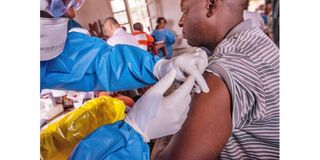
A simulation exercise on Ebola and Marburg case management was conducted to test response capacity. The drill demonstrated the use of protective equipment, clinical protocols and decision-making under pressure. Officials said such exercises help translate preparedness into practical readiness.
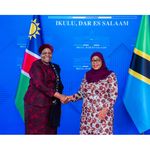
The region’s approach draws on lessons from recent outbreaks, including the 2024 Marburg virus outbreak in Rwanda and responses to Mpox and other infectious diseases. The event was officiated by EAC Deputy Secretary General Mr Andrea Aguer Ariik Malueth, who stressed the importance of collective action.
“Regional cooperation allows partner states to act as one system rather than individually,” he said, noting that shared surveillance data and coordinated responses improve efficiency.
Preparedness efforts are supported by partners including the World Health Organization Regional Office for Africa, the Africa Centres for Disease Control and Prevention and Germany’s Federal Ministry for Economic Cooperation and Development, alongside technical institutions such as Charité – Universitätsmedizin Berlin.
These partnerships are supporting improvements in early warning systems, laboratory services and workforce development.
As part of these efforts, the EAC has launched the Training in the East African Community for High Consequence Infectious Diseases (TEACH) initiative in Nairobi to strengthen intensive care capacity for diseases such as Ebola and Marburg.
Experts said sustained investment, coordination and cooperation will be essential to strengthen preparedness and limit the impact of future outbreaks.
Register to begin your journey to our premium contentSubscribe for full access to premium content