Kenya fuel retailers running short of supplies due to Middle East war
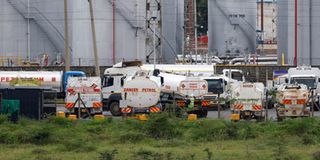
Fuel tankers queue at the Kenya Pipeline Company (KPC) depot to re-fuel their commercial supplies, amid the U.S.-Israeli conflict with Iran, in the Industrial Area district of Nairobi, Kenya March 24, 2026. PHOTO | REUTERS
Nairobi. The head of Kenya’s independent fuel retailers told Reuters that hundreds of dealers were running short due to the Iran war, saying about 20 percent of the outlets were affected after the regulator froze pump prices despite rising global oil costs.
Dealers are likely to start hoarding petroleum products in anticipation of consumer fuel price hikes next month, said Martin Chomba, chairman of the Petroleum Outlets Association of Kenya (POAK).
African countries are among the most exposed to both supply disruptions and higher prices after the conflict all but halted shipments of about one-fifth of the world's oil and liquefied natural gas through the Strait of Hormuz.
Kenya obtains all its fuel supplies from the Middle East through government-to-government deals with Gulf crude producers and refiners.
"We have constrained supply," said Chomba, whose association represents independent retailers, transporters and others, serving 68 percent of the national market.
"So far about 20 percent (of some 3,100 retailers) are affected...(in) two weeks it will be a total crisis with no fuel in most outlets if the tension in the Middle East continues."
On March 14 the state-run sector regulator, the Energy and Petroleum Regulatory Authority (EPRA), left pump prices for petroleum products unchanged for the next 30 days despite the spike in international crude oil prices.
"Real shock is on the way," Chomba said, referring to the possibility of hoarding. He added that POAK had been pressing authorities in Nairobi to end the government-to-government deals and allow fuel marketers to purchase products from private suppliers as a contingency measure.
EPRA Director General Daniel Kiptoo Bargoria told Reuters that Kenya had "sufficient stocks", adding that the regulator would issue a statement later on Tuesday.
A ruling party lawmaker, Nelson Koech, said on Monday that "speculation, panic buying, and hoarding... particularly hoarding by oil marketers' in anticipation of a price jump" had seen demand jump over the past two weeks, affecting access to supplies.