Tanzania, alongside Kenya and Uganda, will host the tournament, an event expected to attract thousands of fans, teams and officials from across Africa and beyond.
Dar es Salaam. As Tanzania gears up to co-host the 2027 Africa Cup of Nations (Afcon), Dar es Salaam is fast emerging as a hotspot for new investment—particularly in the hospitality sector.
This comes amid growing concern over a shortage of modern accommodation facilities.
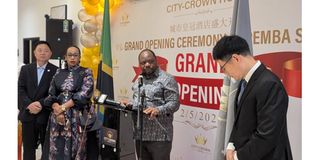
Speaking during the launch of the City Crown Hotel in Kariakoo on May 2, 2026, Dar es Salaam Regional Commissioner Albert Chalamila said the city is witnessing a wave of opportunities driven by the forthcoming continental showpiece.
However, he acknowledged that existing infrastructure remains insufficient to meet expected demand.
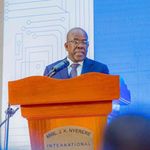
“With Afcon 2027 approaching, the biggest challenge we face is the shortage of modern hotels capable of accommodating the large number of visitors expected in the country,” said Mr Chalamila. “This presents a clear investment opportunity for both local and international investors.”
Tanzania, alongside Kenya and Uganda, will host the tournament, an event expected to attract thousands of fans, teams and officials from across Africa and beyond.
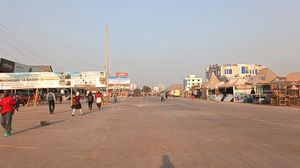
For Dar es Salaam, the country’s commercial capital—the stakes are particularly high, as it positions itself as a key hub for visitors.
Mr Chalamila said the government is ready to work closely with investors willing to tap into the expanding hospitality market, noting that projects such as the newly launched Hotel reflect growing investor confidence.
“This hotel is not just an addition to our tourism infrastructure; it symbolises the kind of modern investment we need in Dar es Salaam,” he said. “While we have a few good hotels, demand continues to outpace supply.”
The investment momentum is also being fuelled by deepening international partnerships, particularly with China, which continues to play a significant role in Tanzania’s infrastructure and commercial development.
Mr Chalamila described China as a long-standing ally, noting that such partnerships are increasingly translating into tangible investments on the ground.
“This project is a testament to the enduring friendship between Tanzania and China. It reflects the trust investors have in our business environment,” he said.
Chairman of Group Six, the company behind the new hotel, Mr Huang Zai Sheng, echoed the sentiment, praising the government for creating a conducive investment climate.
“The supportive environment has enabled us to successfully invest in this hotel, which we believe will contribute to the growth of tourism and the broader economy,” he said.
Beyond foreign investors, experts say the Afcon opportunity should serve as a wake-up call for local investors and the private sector to take a more active role in high-impact sectors such as hospitality.
An economist and investment analyst, Dr Haji Semboja, said Tanzania risks missing out on the full economic benefits of Afcon if local participation remains limited.
“Major events like Afcon create a temporary but significant surge in demand for services. Local investors must step in, particularly in areas such as mid-range and budget accommodation, which are often overlooked,” he said.
He added that while foreign direct investment is crucial, domestic investment ensures that more of the economic gains are retained within the country.
Similarly, tourism expert Prof Godwill Mathew said the hospitality gap presents both a challenge and an opportunity for Tanzania’s private sector.
“This is the time for Tanzanian entrepreneurs to scale up. Afcon is not just about football—it is about business, branding and long-term positioning of the country as a tourism destination,” he said.
He noted that beyond hotels, there is a need for complementary investments in transport, entertainment and food services to create a complete visitor experience.
As the countdown to 2027 continues, Dar es Salaam finds itself at a critical juncture—balancing urgency with opportunity. With investor interest rising and government backing in place, the coming months could define how well the city leverages one of Africa’s biggest sporting events to drive sustainable economic growth.