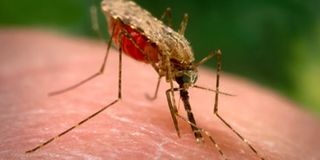
Dar es Salaam. Medical experts and researchers have called for stronger China-Africa collaboration in traditional medicine and malaria research, saying such partnerships in scientific innovation and herbal medicine could accelerate efforts to eliminate the disease across the continent.
Speaking during a lecture-discussion under the China-Africa Traditional Medicine Cooperation Project, a professor at Guangzhou University of Chinese Medicine, Xiao He, said China’s experience in eliminating malaria offers a valuable model for Tanzania and other African countries still facing high malaria prevalence.
“The scope for China-Africa research partnerships extends well beyond drug discovery. We can co-develop surveillance protocols tailored to local transmission patterns,” Prof He said.
He noted that one of the key areas of cooperation is the development of effective national anti-malaria strategies aimed at reducing infections and eventually eliminating local transmission. According to him, China’s experience could help African countries strengthen disease surveillance systems, improve treatment approaches, and enhance nationwide prevention programmes.
Prof. He also emphasised the importance of collaboration in traditional medicine, noting that both China and African countries have long histories of using natural herbs for treatment. He said scientists should work together to identify bioactive compounds in medicinal plants and develop evidence-based African traditional medicine.
“African countries also have a rich heritage of herbal medicine. Scientists should work together to identify bioactive ingredients in natural plants and develop evidence-based African traditional medicine,” he said.
He further revealed that the university’s Artemisia Research Centre has partnered with countries including Comoros, São Tomé and Príncipe, and Papua New Guinea to implement a nationwide malaria control initiative known as FEMSE (Fast Elimination of Malaria by Source Eradication).
In Comoros, the programme has achieved more than a 95 percent reduction in malaria incidence, with some areas reporting zero indigenous cases for years.
While acknowledging the geographical advantages of Comoros as an island nation, Prof. He said the core principles of FEMSE—population-based intervention using artemisinin-based combination therapies (ACTs), community engagement, and strong surveillance—can be adapted to mainland settings by targeting high-burden areas and seasonal hotspots.
He added that countries involved in the programme also record fewer imported malaria cases, increasing the likelihood of sustaining malaria-free status once local transmission is eliminated. He stressed that post-elimination surveillance remains essential to maintain malaria-free status.
According to him, the growing threat of partial artemisinin resistance, confirmed in several East African countries including Tanzania, makes continued innovation and strong surveillance networks even more urgent. He said China-Africa cooperation could play a decisive role in addressing this challenge.
Clinician Diana Mawilanga from Tanlink Medical Tourism Agency said traditional remedies continue to play an important role in healthcare and should not be overlooked in favour of modern medicine alone.
She cautioned, however, that traditional medicine must undergo rigorous scientific validation. “The success story of artemisinin in China shows the power of modern science in unlocking the potential of ancient remedies. We need similar investment in clinical trials and quality control for African traditional medicines to ensure they are safe and effective,” she said.
Ms Mawilanga added that alongside modern treatment, traditional remedies, exercise, and healthy lifestyles contribute significantly to disease prevention and management. She stressed that stronger collaboration between researchers, healthcare providers, and traditional practitioners could improve responses to diseases such as malaria.
Nurse Elizabeth Zephania from Saifee Hospital said the discussions provided healthcare professionals with an opportunity to better understand both modern and traditional approaches to malaria treatment.
“We have gained valuable knowledge about both conventional and traditional approaches to malaria treatment. Such exchanges help health workers better support their patients,” she said.
Ms Zephania added that continued cooperation between medical experts, researchers, and institutions would strengthen efforts to reduce the malaria burden in Tanzania.
Also speaking, Diego Kyungu from Guglielmo Marconi University said partnerships between African countries and international institutions are essential for advancing malaria research and innovation.
He said collaboration with Tanzania offers opportunities for further study into both conventional and traditional medicine, particularly in developing new malaria interventions. He added that joint research, knowledge exchange, and investment in healthcare innovation would strengthen disease control strategies and improve public health systems across the continent.
As malaria continues to claim lives across Africa, experts said the path to elimination lies not in a single solution, but in sustained cross-border and interdisciplinary collaboration such as that demonstrated in China-Africa partnerships in traditional medicine and public health.