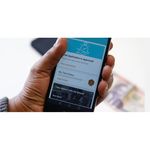
Concern as instant loans surge in Tanzania while financial literacy trails

Dar es Salaam. Mobile money loans are transforming access to finance in Tanzania, offering millions of users instant cash at the touch of a button to meet emergencies and daily needs.

However, experts warn that limited understanding of interest rates and loan conditions could expose borrowers to growing financial risks as uptake increases.

From paying hospital bills to fuelling motorcycles and restocking small shops, the speed and convenience of digital lending has made it a key financial lifeline, particularly for people excluded from traditional banking systems.

However, as usage expands, concerns are rising over whether users fully understand the costs and conditions attached to these loans. Experts caution that low financial literacy could create long-term challenges if not addressed.

A financial expert who requested anonymity said many borrowers take loans without a clear understanding of interest rates, repayment terms, or even the identity of the lending institutions.

“These services are designed to be simple and fast, but that simplicity can be misleading,” the expert said. “People borrow out of urgency rather than informed decision-making.”

Services such as Bustisha by Yas, Songesha by Vodacom and Timiza by Airtel allow customers to access loans instantly through mobile phones, often with minimal explanation of total repayment costs.

There was no immediate reaction from telecommunication firms. Experts argue that key information, including total repayment amounts, penalties and effective interest rates, is not always clearly communicated in a way users easily understand.

As borrowing increases, automatic deductions from mobile wallets have also become common whenever funds are received. While this ensures lenders recover loans, it often reduces users’ balances and creates financial strain.

Some borrowers now use alternative phone numbers, often belonging to friends or relatives, to receive money and avoid automatic deductions linked to outstanding loans.

In some cases, users hold multiple loans across different providers or switch networks to access new credit, exposing gaps in coordination between telecom operators and Credit Reference Bureaus.

By press time, some telecom companies contacted had acknowledged receipt of questions but had not responded.

BoT perspective

Bank of Tanzania (BoT) Governor Mr Emmanuel Tutuba said all institutions offering digital credit are licensed and regulated, with ongoing supervision to ensure consumer protection.

He urged borrowers to understand loan terms before taking credit. “Many people do not take time to read or understand the conditions. They simply access the loan and proceed,” he said.

He said interest rates vary depending on loan type and risk, with unsecured loans attracting higher charges.

“Consumers should always seek clarification from service providers if they are unsure,” he added.

He also cited informal lending, noting that many borrowers do not read terms before accepting high-cost loans. Despite concerns, BoT said mobile lending has improved financial inclusion by making credit more accessible.

Users speak out

A Dar es Salaam resident, Ms Mariam Mtweve, said mobile loans helped her respond quickly to a medical emergency but warned that delays increase costs.

A motorcycle rider, Mr Josephat Msigwa, said the loans support daily income but require discipline.

“You borrow, work and repay. It helps,” he said. Mr Michael Gabriel said he once received Sh580,277 but interest rose by Sh77,397 within hours. “The service is helpful, but the interest can be painful,” he said. Salaried workers said automatic deductions disrupt budgets and force alternative arrangements for daily expenses.

Expert insight

UDSM lecturer Dr Tobias Swai said mobile lending supports financial inclusion but requires stronger coordination between credit systems.

Legal and Human Rights Centre officer Mr Clay Mwaifwani said providers must disclose full costs upfront and avoid promotional language that encourages borrowing without clarity.