Dar es Salaam. Even as parts of Dar es Salaam continue to grapple with intermittent supply of clean and safe water, a new concern has emerged, with residents complaining of unusually high water bills that they say do not reflect their actual consumption — a burden felt most acutely by low-income households.
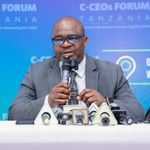
Asked by this newspaper on December 18, 2025, to respond to the complaints, the Chief Executive Officer of the Dar es Salaam Water Supply and Sanitation Authority (Dawasa), Mr Mkama Bwire, said the issue differs from one customer to another and urged affected consumers to engage directly with the authority for resolution.
Mr Bwire said being supplied with water on a rationing basis does not mean a customer is not receiving the service, noting that billing is based on actual consumption as recorded by water meters.
“All Dawasa customers use meters that measure the real amount of water consumed, although in some cases the meters may experience technical challenges,” he said.
He advised customers who find their bills unclear to contact Dawasa through its toll-free number 181 or visit the authority’s offices for assistance.
“Even if water is supplied under a rationing system, that does not mean there is no service. Customers should report any concerns so they can be addressed,” Mr Bwire said.
However, some residents say the bills they receive are inconsistent with their water usage, adding to the financial strain amid challenging economic conditions.
Speaking to Mwananchi separately, several residents said they continue to receive high and unexplained bills despite consuming relatively small amounts of water, raising questions about the accuracy of billing.
A Tabata Sanene resident, Mr Baltazar Amos, said the problem has persisted for years and that his attempts to reach the authority have been unsuccessful.
“This is not a new problem. Every time I call, no one answers. Often the phone just rings, and even when I try to raise the issue through their social media platforms, there is no response,” he said.
Similarly, Ms Mariam Sambrina of Mabibo said her bills have remained unchanged despite a reduction in water usage.
“Three months ago I was paying Sh16,000 per month when my children were at home. Even after they went back to school, the bill remained the same, yet I spend most of my time at work,” she said.
She said the situation is particularly distressing given the prevailing economic hardships.
“If the meters are faulty, they should be replaced instead of burdening residents with high bills. I fear that some meter readings may be estimated rather than properly verified,” she said.
Another resident, Mr Richard Richard of Tabata Kisiwani, said high water bills have become a recurring problem in the house where he lives, which accommodates several tenants.
“Most of us are casual workers and are mainly at home over the weekends. We don’t use much water because we have few household items, yet the bills remain high,” he said, adding that follow-ups with the authority had yielded no satisfactory explanation.
In response, Mr Bwire said Dawasa continues to receive similar complaints even during periods when water supply is stable.
He explained that before bills are issued, customers receive a message prompting them to confirm meter readings to ensure accuracy.
“Only after that verification is the bill sent. It is also important to understand that a customer may go without water for three or four days, but on the days when water is available, they may store water and use it over subsequent days,” he said.
Dawasa has urged customers with billing concerns to engage the authority directly to allow for verification and corrective action where necessary.