Doctors Without Borders report alarming child deaths in Niger
What you need to know:
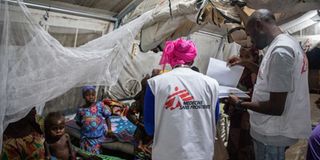
MSF runs a 435-bed paediatric unit where 11,100 children were admitted from 1 January to 31 August this year.
The international medical humanitarian organisation, reports that more than 3,300 children aged under five were admitted to the unit in August alone
Dar/Geneva: Paediatric teams from the international humanitarian medical organization Médecins Sans Frontières(Doctors Without Borders (MSF) have reported alarming deaths of children under the age of five in Magaria, south of Niger.
MSF, in collaboration with Niger’s Ministry of Health (MoH), has been treating 730 children currently admitted to hospital. Of these, 208 are critically ill and crowded into the paediatric intensive care unit, says a statement released on September 25 and seen by The Citizen.
“We have never seen anything like this before and we fear it’s just the tip of the iceberg,” said Dr Dorian Job, MSF’s Niger program manager based in Geneva.
“Each year, at about this time, we expect a peak in malaria infections, as well as an incidence of malnutrition above emergency thresholds. But we haven’t seen patients overwhelming the hospital in such numbers before,” said Dr Job.
In the busy city of Magaria, MSF runs a 435-bed paediatric unit where 11,100 children were admitted from 1 January to 31 August this year. More than 3,300 children aged under five were admitted to the unit in August alone.
The majority of these patients are suffering from complications of severe malaria or malnutrition, and an average of 10 children have died every day for the past month.
Given the number of deaths recorded in mortality surveys conducted during the malaria and malnutrition peaks in previous years, MSF medics believe they are only seeing one sixth of the children who are in need of care.
Many of those diagnosed with malaria or malnutrition are also suffering from other diseases. Common problems include severe malaria and severe malnutrition.
“While our hospital is already terribly overwhelmed, it’s likely that hundreds of children are seriously ill in the community and not getting the care they need. The children we are seeing are arriving at the hospital extremely late. Sadly, many already have complications so serious that they cannot recover,” said Job.
Despite attempts to reduce the number of malaria infections associated with the seasonal peak –
including the distribution of malaria prophylaxis to families with children aged between three months and five years – mortality rates remain alarmingly high.
Interventions so far
MSF has sent 243 medical staff from across Niger and around the world to ensure patients receive the best possible care inside the hospital and out in the community, where a team is running mobile clinics to care for children closer to home.
The hospital in Magaria is the only health facility available in a region for 700,000 to one million people, around 20 percent of whom are under five years old. So while the malaria season is worse this year, it’s not surprising that we are overwhelmed, MSF said.
The health system in the area is chronically underfunded, lacking means, organization, training and support. This prevents people from accessing care and in turn claims lives. We could double our capacity and still not meet the needs of the children aged under five in the community, it added.