Electric cooking push now reaches 14m Tanzanians

The director of Clean Cooking at the ministry of Energy, Nolasco Mlay (left), and British High Commissioner to Tanzania, Marianne Young, visit an exhibition showcasing electric cooking technologies under the MECS programme during an event in Dar es Salaam.
 PHOTO  | RAMADHANI  ISMAIL

What you need to know:

  • Electric cooking was an important component of the country’s wider clean cooking strategy, alongside liquefied petroleum gas, biogas, ethanol and improved biomass technologies
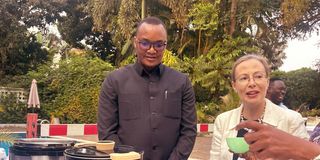
Dar es Salaam. Tanzania’s drive to shift households and institutions towards electric cooking has reached 14 million people, as the government and development partners push to make the technology more affordable, reliable and accessible.

The milestone was announced by the UK-supported Modern Energy Cooking Services (MECS) eCooking Scale and Support Programme, which has also helped 36 schools adopt electric cooking technologies and trained 460 technicians to support the emerging clean cooking market.

The programme has expanded awareness of electric cooking, improved access to financing and increased the availability of cooking technologies across mainland Tanzania and Zanzibar.

The progress comes as Tanzania implements its National Clean Cooking Strategy, which seeks to accelerate the transition from traditional cooking fuels such as charcoal and firewood to cleaner alternatives.

Director of Clean Cooking at the ministry of Energy, Nolasco Mlay, said the programme had demonstrated that electricity could provide a reliable clean cooking option for households and institutions.

He said the initiative had also generated data that could guide policy and encourage investment as demand for modern cooking solutions increases.

“The programme strengthened confidence in electric cooking technology and generated valuable data that will help guide future policy decisions,” he said.

Mr Mlay said electric cooking was an important component of the country’s wider clean cooking strategy, alongside liquefied petroleum gas (LPG), biogas, ethanol and improved biomass technologies.

He said the government was working to create a policy environment capable of attracting investment, encouraging innovation and strengthening cooperation between development partners, financial institutions and private companies.

He also sought to address concerns over the cost and reliability of electricity, saying the government was working to ensure a stable power supply.

“One of the programme’s key objectives was to change the perception that cooking with electricity is expensive. The government is working to ensure a reliable electricity supply so that households can depend on electric cooking without disruptions,” he said.

Stakeholders are also exploring battery-based backup systems that could allow electric cooking appliances to operate during power interruptions.

Financing remains key

British High Commissioner to Tanzania, Ms Marianne Young, said the transition to clean cooking could deliver benefits extending beyond the energy sector, including improved health, reduced household expenditure and greater economic opportunities.

 “Electric cooking offers an opportunity to improve health outcomes, save families time and money, and reduce pressure on forests,” she said.

Ms Young said the UK was proud to support Tanzania’s implementation of the National Clean Cooking Strategy, noting that schools, technicians and entrepreneurs were increasingly participating in the emerging market.

Tanesco also reported growing interest in electric cooking.

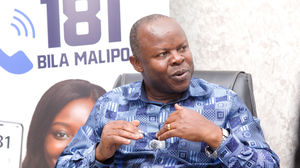
Acting Director of Communication and Customer Service at Tanesco, Irene Gowele, said a pilot project involving more than 1,000 users had demonstrated the potential for wider adoption. “Many Tanzanians want to cook with electricity, but the initial cost of purchasing electric stoves has been a major barrier,” she said.

She said on-bill financing, which allows customers to pay for electric cooking appliances through their electricity bills, was helping address the challenge.

“Tanesco aims to reach one million customers within the next three years through this financing model,” Ms Gowele said.

She added that Tanzania was generating more than 4,000 megawatts of electricity against demand of slightly above 2,000MW, creating room for increased electricity use, including cooking.

“Tanzanians should not hesitate to use electricity for cooking. We have enough power, and households should take advantage of this opportunity,” she said.

Affordability and quality concerns

As the market expands, stakeholders say affordability and product quality will be critical to sustaining adoption.

Energy engineer and Tanzania Bureau of Standards (TBS) standards officer Spiradson Kagaba said the agency faced challenges including resistance to compliance, high infrastructure costs and limited public awareness of quality requirements.

He said effective enforcement required laboratories equipped with advanced testing equipment, which involved significant investment.

Mr Kagaba also warned that some consumers bought appliances without checking whether they met safety and quality standards.

Meanwhile, Catherine Pye of the Foreign, Commonwealth and Development Office at the British High Commission called for tax reductions on imported electric cooking appliances to make them more affordable.

“Removing taxes on clean cooking stoves would significantly reduce the cost of these technologies for Tanzanian households,” she said.