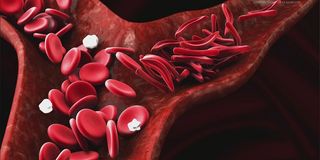
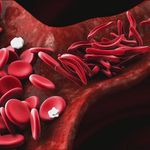
Dar es Salaam. The government has launched the KETAN project, marking a critical step in addressing sickle cell disease, a major public health challenge affecting thousands of children in Tanzania each year.
The initiative introduces nationwide newborn screening aimed at early detection and timely intervention.
This approach is expected to significantly reduce complications, improve survival rates, and ease the long-term burden on families and the health system.
Early diagnosis not only saves lives but also enables more efficient allocation of resources and strengthens the responsiveness of the national health system.
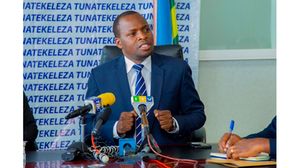
Speaking at the launch, Ministry of Health Public Private Partnership Coordinator Dr Gunini Kamba said sickle cell disease remains a major inherited health challenge affecting lifelong wellbeing.
The programme targets high-prevalence regions, including Dar es Salaam and Mwanza, focusing on early detection, improved treatment, and community engagement.
The KETAN project sets measurable goals to reach 45,000 children, including 12,500 under-five children, 18,000 young people, economic support for 300 families, and training for 500 healthcare workers.
Dr Kamba said diagnosed patients would be empowered to serve as community ambassadors to raise awareness and reduce stigma.
The Ministry reaffirmed its commitment to tackling non-communicable diseases, including sickle cell disease, with a focus on early diagnosis, improved access to treatment, and expanded community awareness.
National Sickle Cell Coordinator, Ms Esteria Mpoto, said about 14,000 children are born annually with the condition in Tanzania.
She added that 15 to 20 percent of the population carries the sickle cell trait, while over 105,000 patients receive care in health facilities.
She said the response is guided by the National Sickle Cell Disease Operational Plan 2023–2026, focusing on prevention and strengthening primary healthcare.
However, challenges include low awareness, limited diagnostic capacity, equipment shortages, and incomplete data systems.
Agence Française de Développement (AFD) Country Director Céline Robert said outcomes depend on awareness, living standards, and health system strength.
She said the approach supports universal health coverage through investment across prevention, diagnosis, treatment, and long-term care.
Implemented with government, NGO, and development partners, the KETAN project aims to strengthen Tanzania’s health system and improve long-term outcomes for patients.
Health experts say the initiative will reduce late diagnosis cases and improve survival rates nationwide, particularly among children in high-risk regions.
It is also expected to ease pressure on referral hospitals and improve efficiency in service delivery across the country.
Stakeholders have welcomed the programme, saying it represents a major step towards equitable access to specialised healthcare services in Tanzania.
They noted that sustained investment in early detection programmes and treatment infrastructure will be essential to addressing the growing burden of sickle cell disease in the country.
Officials also emphasised the importance of public education campaigns to reduce stigma and encourage early testing among families and communities nationwide.
They said improved coordination between government institutions, development partners, and local communities will be critical to ensure the success and sustainability of the KETAN initiative in Tanzania.
The government reiterated its commitment to strengthening health systems and ensuring equitable access to life-saving care across all regions of the country going forward sustainably.