How Tanzanians are adapting in the wake of rising fuel prices
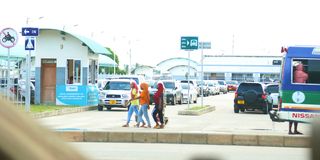
The private vehicle parking lot at the bus rapid transit station in Mbagala, Dar es Salaam. The facility enables motorists to leave their cars behind and commute to various parts of the city. PHOTO | SAID POWA
Josephine Christopher is a senior business journalist for The Citizen and Mwananchi newspapers
Mwananchi Communications Limitted
Dar es Salaam. Rising fuel prices are steadily reshaping how Tanzanians commute, work and manage their daily expenses, as households adopt new strategies to cope with mounting pressure on the cost of living.
From informal park-and-ride arrangements to fewer trips and greater reliance on public transport, the adjustments reflect a broader behavioural shift driven by persistent increases in pump prices.
The changes come as the Energy and Water Utilities Regulatory Authority (Ewura) announced sharp fuel price increases, citing geopolitical tensions in the Middle East and disruptions to global oil supplies.
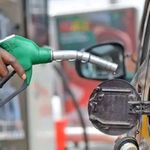
In Dar es Salaam, petrol prices rose from Sh3,820 to Sh4,115 per litre, with similar increases recorded across major regions, including Dodoma, Arusha and Mwanza, intensifying pressure on household budgets and transport costs.
For Abdallah Salim, a resident of Mwandege who works in Ubungo more than 27 kilometres away, the daily commute has become a calculation of survival. Instead of driving the entire distance, he now leaves his car at a parking yard in Mbagala, paying Sh2,500 a day before completing the journey by daladala.
“Driving all the way is no longer affordable. Fuel alone would cost far more. This way is slower, but at least I can manage my monthly expenses” he said.
His experience mirrors that of many commuters living on the outskirts of Dar es Salaam, where long distances amplify the impact of rising fuel costs.
What was once a matter of convenience using a private car has increasingly become a financial burden.
In the city’s northern corridor, Christina Mushi, a software engineer based in Kinondoni’s Morocco area, has also scaled back private car use.Living in Mbezi Kibanda cha Mkaa, she now parks at Kimara and completes the rest of her journey using the bus rapid transit (BRT) system.
“I have a German car that consumes a lot of fuel and my work involves frequent trips. With traffic jams and current prices, it makes more sense to use public transport. I pay Sh1,000 for parking, which is far cheaper overall,” she said.
At the Kimara parking yard in Dar es Salaam, the shift is clearly visible.
A security guard at the facility, who declined to be named, said demand has surged in recent months, with the space now fully utilised on most days.
“We charge Sh1,000 from morning to evening and it’s usually full. People come early to secure a spot. If you arrive late, you may have to wait,” he said.
When The Citizen visited the site, the parking area was full, with incoming drivers briefly turned away until a vehicle exited—underscoring the growing reliance on such informal park-and-ride arrangements.
Ms Christina John, a marketing consultant, said she has cut the number of days she travels to work, opting instead for a hybrid schedule to reduce fuel expenses.
“I now work from home almost half the week. It helps reduce fuel costs and also saves time spent in traffic,” she said.
Government steps in, but pressures persist
In an effort to cushion consumers, the government has introduced a subsidy of about Sh259 per litre of diesel, aimed at easing pressure on transport and production costs.
At the same time, authorities have taken steps to safeguard fuel supply by empowering Tanzania Petroleum Development Corporation, the national oil company, to secure sufficient stocks.
Presenting his docket’s 2026/27 budget proposals in Parliament last month, Energy Minister Deogratius Ndejembi said the move was necessary to ensure stability in the face of global uncertainty.
“Our country imports about 59 percent of its petroleum products directly. The remaining 41 percent is imported through India, which itself depends on crude oil from the Middle East,” he said.
“One of the key measures has been to enable TPDC to import adequate volumes of fuel to cover the next three months May, June and July 2026. The government will continue to monitor global supply trends and take strategic measures to ensure reliable access to petroleum products,” Mr Ndejembi added.
The remarks highlight Tanzania’s continued exposure to global energy markets, where supply disruptions—particularly in the Middle East—have pushed prices upward.
TPDC: ‘Prices could have been higher’
In an exclusive interview with The Citizen, TPDC Managing Director Mussa Makame said the corporation’s intervention has helped prevent even sharper increases.
“TPDC is a commercial entity, but we have ensured that our margins remain lower than those of other importers,” he said.
He added that the corporation secured fuel imports at comparatively lower costs this month, helping to moderate the final retail price.
“If you compare the order costs, what we imported was cheaper than other shipments. That has helped keep prices at the current level. If private importers had handled the volumes alone, prices would likely have been higher.”
Mr Makame noted that the diesel subsidy, implemented in collaboration with the government, has also played a key role in cushioning critical sectors such as transport and logistics.
Looking ahead, he warned that fuel prices will remain sensitive to global developments.
“If the situation stabilises, there could be some relief. But if tensions remain elevated, prices will continue to face upward pressure,” he said.
For many Tanzanians, the result is a gradual but clear shift in daily routines.
Commuters are combining transport modes, cutting unnecessary trips and exploring flexible work arrangements to manage costs.
Public transport systems particularly the BRT are seeing increased reliance, while parking hubs on the city’s outskirts are emerging as critical transition points.
Register to begin your journey to our premium contentSubscribe for full access to premium content