How UDSM Kagera Campus is reshaping investment decisions

Dar es Salaam. Economic transformation in Kagera is no longer a distant policy ambition; it is unfolding in real time, driven by anticipation around the under-construction University of Dar es Salaam (UDSM) Campus.

Investors, residents and returnees are repositioning themselves for what they believe will become a new growth corridor anchored in higher education.
The Citizen has learnt that even before the campus opens its doors in the 2026/27 academic year, market signals are unmistakable.

Land prices around the site have doubled, residential construction has accelerated and local entrepreneurs are racing to secure space for businesses catering to a future population of students, academics and professionals.

“Before this project, an acre here could go for Sh20 million. Today, it is Sh40 million or more and buyers are still coming,” said a land dealer in Bukoba Municipality, who requested anonymity due to ongoing negotiations.

A local broker near the campus, Mr Juma Omar, added: “Two years ago, land here was affordable and buyers were few, or no land was being sold at all.

Today, prices have doubled and plots sell within days. People want to be close to the university because they know demand will not disappear.”

This is not speculation alone; it is calculated preparation. Investors said the campus represents predictable, long-term demand, a rare commodity in regional economies.

Rental housing, retail shops, food outlets, transport services and ICT-related businesses are already being planned, even as construction continues.

At the heart of this shift is the economic logic of universities as anchors of local development.

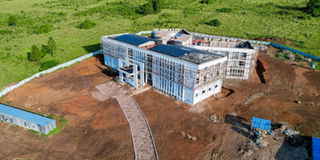
The UDSM Kagera Campus is being built in Karabagaine Ward, within Ihtawa and Kangabusharo villages in Bukoba Rural District.

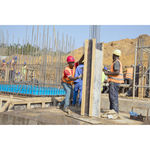
The development, under the World Bank-supported Higher Education for Economic Transformation (HEET) project, has a starting cost of Sh14.9 billion and is designed to specialise in business and ICT-related disciplines, linking skills development directly to market needs. The campus is set to be ready by March 2026.

“The construction in Kagera is part of UDSM’s mission to generate knowledge that is economically, socially and technologically relevant,” said UDSM Vice Chancellor Prof William Anangisye.

“This campus is not only about teaching; it is about transformation and relevance to the national economy,” he added.

The campus infrastructure, lecture halls, computer laboratories, staff offices, student hostels and service facilities will inject sustained spending into the local economy.

More importantly, it is expected to attract a stable population with purchasing power, which investors say reduces risk.

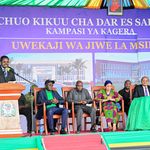
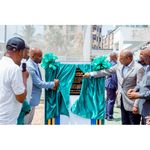
Retired President Jakaya Kikwete, who also serves as UDSM Chancellor, appealed to local investors during the foundation stone-laying ceremony, urging them to act early rather than observe from afar.

“Opportunities like this do not come often. Those who invest early in education infrastructure are the ones who benefit most,” he said, calling on Kagera residents to take ownership of the project’s economic potential.

That call appears to be resonating, not only with those already in Kagera, but also with people who had previously left the region in search of opportunities.

Several residents said the campus is reversing long-standing migration trends.

“I left Kagera ten years ago because there was nothing to keep professionals here. With a UDSM campus focusing on business and ICT, I am planning to return home and invest. This is the kind of anchor that changes everything,” said a businessman now based in Mwanza.

Local leaders argue that this return migration could be one of the project’s most significant economic outcomes.

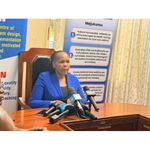
“Skilled returnees bring capital, networks and experience, accelerating local enterprise development beyond what organic growth alone could achieve,” said Kagera Regional Commissioner, Ms Fatma Mwassa.

Education and economic policy analysts including, Dr Geofrey Kabyemelwa, agree saying universities create what he termed “durable economies.”

“Unlike short-term projects, universities generate continuous demand. Every academic year brings new consumers, ideas and enterprises. Over time, this reshapes the economic identity of a region,” he said.

The ICT orientation of the Kagera campus is also shaping expectations among young entrepreneurs.

Youth groups are exploring plans for digital services, co-working spaces, computer maintenance businesses and online learning support services.

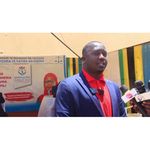
“This campus tells us that knowledge-based businesses can survive here. We do not have to migrate to Dar es Salaam to be part of the digital economy,” said one youth entrepreneur, Mr Juma Omar.

From a broader policy perspective, the project aligns with Tanzania’s development vision, which positions higher education as a driver of industrialisation, service-sector growth and youth employment.

Prof Anangisye noted that the HEET project is closely linked to national development frameworks and UDSM’s long-term vision of aligning education with economic needs.

For Kagera, a region with deep historical significance but limited large-scale investment, the campus is fast becoming a symbol of renewal.

The bulldozers and cranes may dominate the skyline today, but the more profound construction is economic confidence, visible in rising land values, returning residents and investors preparing for a future built around knowledge.