MOI set for new system

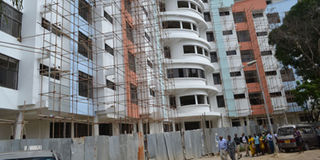
Journalists visit new Muhimbili Orthopaedic Institute (MOI) phase III in Dar es Salaam. The-seven-storey building will help reduce the transfer of patients outside the country which is fuelled by lack of medical facilities at the hospital. PHOTO|SALIM SHAO

What you need to know:

  • CyberKnife is the first and only robotic radiosurgery system designed to noninvasively treat tumors

Dar es Salaam. The Muhimbili Orthopedic Institute (MOI) will soon introduce a non-incision treatment called CyberKnife surgery, a technology that operates without a cut. CyberKnife is the world’s first and only robotic radiosurgery system designed to noninvasively treat tumours throughout the body.

The introduction of the treatment is expected to start at the end of this year, after MOI opens its new building which has so far cost a total of Sh20 billion, “The technology delivers radiation with extreme accuracy,” said the Institute’s Public Relations manager, Mr Almas Juma.

Mr Juma said MOI would be the first hospital in the country to introduce that kind of treatment basing on the superior technological equipment to be installed at the Institute.

“By dramatically reducing the planning margins and accounting for patient movement, CyberKnife minimises damage to the surrounding healthy tissues,” he noted.

The spokesperson also said that MOI’s strategies were aimed at reducing the cost which the government incurred in sending patients outside the country for surgeries.  “We also intend to introduce telemedicine, whereby our medics will be conducting operations in collaboration with specialised doctors in Western countries,” he noted.

Mr Juma also added that the completion of the new building would increase the hospital’s capacity from 159 beds to 380. “We are overwhelmed by the patients’ number here, but completion of the new building will help us more,” he hinted. It was also revealed that MOI receives almost five patients daily, linked to Bodaboda and Bajaj accidents. “It has overwhelmed us in a way that a ward with the capacity of 35 patients is now admitting a total of between 70 and 80 patients,” said Mr Juma.