Kigoma. As the world marked Menstrual Hygiene Day under the theme, “Together Towards a Menstrual-Friendly World,” more than 7,000 girls and boys in Kigoma Region have been reached with menstrual health and hygiene education through a community outreach initiative targeting young people.
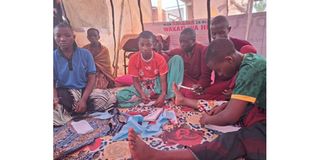
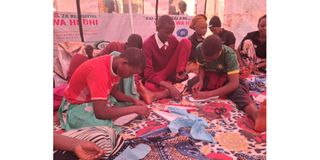
The beneficiaries were reached through the Menstrual Health Management (MHM) programme, which trains and engages youth champions to conduct awareness sessions through education tents established in secondary schools across five districts in the region.
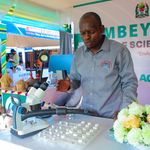
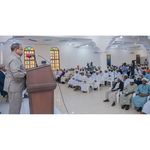
Speaking during the commemoration event held at Ruhita Market Grounds on May 28, 2026 in Kasulu District, Enabel Tanzania’s Retention Education Expert, Ms Bonita Mpokwa, said the initiative is being implemented under the Wezesha Binti Project in collaboration with the government and development partners.
She said the project seeks to normalise menstruation by promoting period-friendly communities and schools, while also improving access to affordable menstrual products.
“As we commemorate Menstrual Hygiene Day here in Ruhita, I would like to acknowledge the support provided by the Government of Kigoma in advancing efforts to build menstrual-friendly communities across the region,” said Ms Mpokwa.
She noted that the outreach to thousands of young people had been made possible through the launch of mobile MHM tents introduced in Kasulu last year.
According to her, the initiative forms part of wider efforts to eliminate menstruation as a barrier to girls’ access to education, healthcare services and dignity in Kigoma Region.
The menstrual health management tents have already reached thousands of girls, boys and community members during the first two years of the project’s implementation.
The project aims to reach 12,500 girls and boys in 25 schools, alongside 250 out-of-school youth aged between 14 and 19 years.
Kigoma Regional Community Development Officer, Mr Msafiri Nzunuri, underscored the importance of involving men in supporting women and girls at household level, saying fathers have a crucial role in menstrual health awareness and support.
“It is important for men to be part of the menstrual health journey because fathers play a significant role in raising children. Both fathers and mothers should openly speak to their children about bodily changes and how to manage them so they grow up safely and confidently,” he said.
Meanwhile, Kasulu Town Council Senior Community Development Officer, Mr Gabriel Zakaria, said menstruation should never be regarded as a shameful issue, but rather as a normal and important family matter.
“For this agenda to gain meaningful traction, both fathers and mothers must work together in raising girls so they can break the silence and confidently express their need for sanitary products, enabling them to manage menstruation with dignity,” he said.
Menstrual Hygiene Day is commemorated annually on May 28 and has, over the past decade, grown into a global movement advocating menstrual health awareness, dignity and equal opportunities for girls and women.
The Wezesha Binti Project is a cooperation programme between the Government of the United Republic of Tanzania and the Belgian Development Agency (Enabel).
The project is being implemented in selected districts of Kigoma Region to empower girls and young women through inclusive learning opportunities, decent green employment and improved access to entrepreneurship opportunities.