Sisal farming takes root in 2 drought-prone districts
What you need to know:
Oxfam GB Tanzania programme partnership coordinator Narcis Silvester said the project was being implemented in cooperation with Katani Limited and Tanzania Sisal Board (TSB).
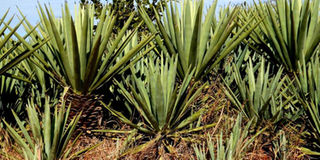
Tanga. A gradual transformation of sisal production from the traditional hedge to sisal field production is being reported in the Lake Zone of Kishapu and Meatu following theimplementation of a project to support smallholder farming in those districts by Oxfam GB Tanzania.
Oxfam GB Tanzania programme partnership coordinator Narcis Silvester said the project was being implemented in cooperation with Katani Limited and Tanzania Sisal Board (TSB).
Sisal is not a traditional cash crop for Shinyanga, and has traditionally been grown along hedges to demarcate farm boundaries, and to produce fibre ropes during lean times to supplement incomes. “There is a shift from the traditional cotton farming to sisal,” Mr Sylvester said.
The project aims at supporting smallholder farmers to improve production, access to profitable price and power in markets through development of sustainable value chains including sisal value chain in Kishapu and Meatu.
According to Mr Sylvester, the new Kishapu business model is in place and farmer groups are coordinated and registered by the district council compared with the previous arrangement where farmers operated individually and informally.
“Before the Oxfam intervention, sisal was not a priority crop. The district is, however, now includes it in the budget as seen in 2016/17 when the district allocated Sh225 million to support the initiative. The 2017/18 allocation for sisal is Sh186 million,” he said.
Speaking on why they chose Kishapu, he said the district is so dry that many other crops fail, leading to food shortage.
Mr Sylvester said sisal is a drought- tolerant, and its yields are consistent and can grow at relatively poor soils.
“Moreover, sisal is an environmentally friendly crop and it prevents soil erosion.”
Oxfam aims at improving technology to use sisal waste.
Tanzania is estimated to have produced 34,875 tonnes in 2013.