Tanzania anti-narcotics authorities seize nearly two tonnes of illegal drugs
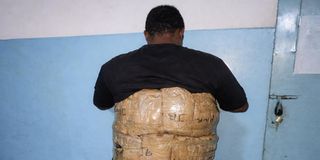
A suspect who was intercepted and found with bags of a narcotic dug wrapped around his body and hidden with an extra layer of clothing. PHOTO | COURTESY
Dar es Salaam. Tanzania’s anti-narcotics authorities seized nearly two tonnes of illegal drugs in March this year, destroyed cannabis farms and arrested dozens of suspects in a series of nationwide operations that point to changing trafficking patterns across the country.
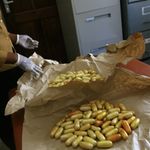
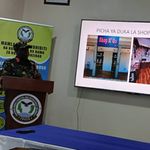
Drug Control and Enforcement Authority (DCEA) Commissioner General Aretas Lymo they confiscated 1,983.31 kilogrammes of various narcotic substances during the month, alongside 3,012.5 kilogrammes and 17,960 litres of precursor chemicals commonly used in the manufacture of illegal drugs. Officers also seized 286 tablets and 1,001 bottles of controlled medicinal drugs.
In addition, 55.5 acres of cannabis farms were destroyed and 77 suspects arrested in connection with drug-related offences. Nine vehicles, 12 motorcycles and one three-wheeler were impounded during the operations.
“The latest figures reveal a notable shift in trafficking trends, with mirungi (khat) accounting for the largest share of seizures. A total of 1,267.12 kilogrammes equivalent to about 64 per cent of all drugs seized during the month—were confiscated.
Mr Lymo attributed the increase to intensified enforcement efforts in rural areas after significant progress in disrupting organised networks previously linked to industrial-scale narcotics trafficking.
According to him, in Dar es Salaam, they intercepted 101.2 kilogrammes of mirungi hidden inside a bus in Tegeta Kibo. The drugs had been concealed in several compartments of the bus, including the air conditioning system, during a journey from Mombasa to Dar es Salaam. Five suspects, including the driver and conductor, were arrested.
Elsewhere in the Coast Region, authorities seized 419.09 kilogrammes of mirungi that was being transported towards the commercial capital.
In Mwanza Region, DCEA recovered 52 kilogrammes at the Magu roadblock and Mwanza South Port after the drugs were discovered hidden among second-hand clothing bales inside a cargo truck. A further 184.9 kilogrammes were seized in Misungwi District, where police also recovered the drugs from a residential property and several vehicles belonging to suspects.
In Tanga Region, 32.95 kilogrammes of mirungi concealed in a sack mixed with mangoes were intercepted, while an additional 164.01 kilogrammes were seized in separate operations in the region.
Further seizures were reported in Longido District in Arusha Region, where 106.25 kilogrammes of mirungi were intercepted in a private vehicle, leading to the arrest of two suspects, including a ward councillor. Another 138.42 kilogrammes were recovered in related operations across the region.
In the Kilimanjaro Region, officers also seized 68.3 kilogrammes in Himo and Same districts.
Beyond mirungi, authorities raised concern over the discovery of cannabis near student accommodation in Dar es Salaam’s Kijitonyama area, where 141 packets of skunk cannabis were recovered from a hostel manager’s room. Officials warned that the incident highlights the risk posed by drug distribution networks operating close to learning institutions and called on property owners and hostel managers to remain vigilant.
In Songwe Region’s border town of Tunduma, DCEA seized 8.2 kilogrammes of skunk cannabis from a suspect travelling towards Mbeya City in a cargo truck.
Additional operations across the country resulted in the seizure of 707.995 kilogrammes of cannabis.
He said, “The authority also stepped up inspections targeting companies dealing with industrial chemicals, pharmacies, courier services and inland container depots in an effort to prevent the diversion of precursor substances.”
As a result, large quantities of chemicals including potassium permanganate, hydrochloric acid, acetone, sulphuric acid and glacial acetic acid were confiscated after regulatory violations were detected.
Controlled medicinal drugs such as alprazolam, midazolam, clonazepam, fentanyl, zolpidem, tramadol, codeine and dihydrocodeine were also seized. Experts caution that although these medicines are used for treatment, misuse can lead to dependence similar to illegal narcotics.
Mr Lymo said the operations reflect the government’s continued resolve to disrupt drug trafficking networks. However, they warn that traffickers are increasingly changing routes and concealment methods, underscoring the need for continued cooperation between security agencies and the public to curb the threat.