Dar es Salaam. Tanzania has outlined an ambitious economic agenda for the 2026/27 financial year, placing industrialisation, mineral-based investments and railway expansion at the centre of its growth strategy.
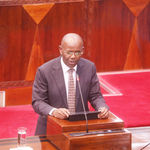
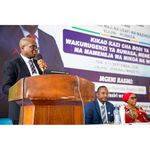
Presenting the government’s revenue and expenditure estimates in Parliament on Thursday, Finance Minister Khamis Mussa Omar said the government would accelerate strategic investments in rare earth minerals, natural gas, iron ore and coal to support industrial development, exports and job creation.
The minister said the country would also continue investing heavily in transport infrastructure, particularly railways, to strengthen regional trade and improve connectivity between production centres and markets.
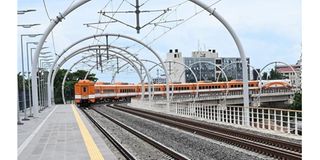
“The government will continue implementing the TAZARA Railway Revitalisation Project and the ongoing construction of the Standard Gauge Railway (SGR) connecting Dodoma to Mwanza and Isaka to Kigoma,” Mr Omar told Parliament.
According to the minister, the railway projects are expected to stimulate economic activity along their corridors by attracting investment, reducing transport costs and improving access to domestic and international markets.
The government views the projects as critical to unlocking Tanzania’s geographical advantage as a regional transport and logistics hub serving neighbouring landlocked countries.
Mr Omar said industrialisation would remain a key pillar of economic transformation, with greater emphasis on value addition and the processing of the country’s abundant mineral and energy resources.
The strategy is aligned with broader efforts to strengthen the productive sectors of the economy and reduce reliance on imports while expanding export earnings.
The government’s macroeconomic targets for 2026/27 are based on several assumptions, including effective implementation of the Medium-Term Revenue Strategy (MTRS) 2025/26–2027/28, increased private-sector participation in investment and business activities, and continued economic stability.
The minister said the outlook also assumes resilience against both natural and human-made shocks, including droughts, floods, earthquakes and pandemics, which could affect economic performance.
The measures form part of the government's wider plan to sustain economic growth, attract investment and create jobs as Tanzania pursues its long-term development objectives.
Register to begin your journey to our premium contentSubscribe for full access to premium content