Dar es Salaam. As Tanzania joins the rest of the world in marking World Meteorological Day, a pressing concern remains: how to ensure that life-saving weather information reaches everyone, especially those living in the most remote communities.
This year’s theme, “Observing Today, Protecting Tomorrow,” underscores the urgency of strengthening early warning systems and aligns with a United Nations target to ensure that every person on Earth is protected by reliable, timely weather alerts by 2027.
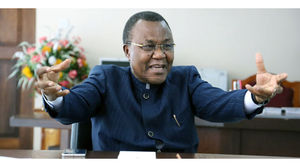
The Director General of the Tanzania Meteorological Authority (TMA), Dr Ladislaus Chang’a, told The Citizen that despite meaningful progress, gaps persist, with many people, particularly in villages, still not receiving weather updates in time.
“There are still gaps in how information is disseminated to the last mile,” he said. “We know there are individuals we are not reaching quickly enough, especially in rural areas.”
Dr Chang’a, who also serves as Vice-Chair of the Intergovernmental Panel on Climate Change (IPCC), said closing these gaps is central to the global Early Warnings for All initiative, which aims to ensure universal access to accurate and timely forecasts.
However, he noted that reaching the “last mile” is not merely a technological challenge. It also requires understanding how communities live, work and communicate and tailoring solutions accordingly.
One promising approach has been the introduction of co-production initiatives that bring together TMA and local stakeholders. Beach Management Units, for example, now play a crucial role in ensuring that fishermen operating on major water bodies such as Lake Victoria, Lake Tanganyika and Lake Nyasa receive timely forecasts.
In a practical shift shaped by community needs, TMA has also introduced WhatsApp groups that deliver real-time alerts directly to fishermen, an innovation that has already shown positive results.
“We are pleased that this initiative has improved efficiency in fishing activities and helped to reduce fatalities linked to extreme weather events,” he said.
At the same time, the authority is embracing innovation to widen access to forecasts. A new mobile weather application developed in partnership with the World Food Programme is expected to expand the reach of alerts. TMA is also upgrading its information and communication technology systems and digitising operations to ensure faster and more efficient delivery of weather data.
Partnerships remain at the heart of these efforts. TMA is working closely with organisations such as the Tanzania Red Cross Society, alongside non-governmental organisations and private sector actors with strong grassroots presence. These collaborations help bridge the gap between national forecasts and local realities.
“We rely on partners on the ground to support dissemination and ensure information reaches communities without delay,” he said.
Another key improvement has been the localisation of forecasts. Previously issued mainly at regional level, seasonal weather updates are now being downscaled to district level, making them more practical and actionable for local communities.
Even so, significant challenges remain, particularly in expanding SMS-based alerts, which are considered essential for reaching people without smartphones or reliable internet access.
Funding constraints continue to limit progress in this area, although discussions are underway with telecommunications providers to identify sustainable solutions.
“This is not just a Tanzanian challenge — it is one faced across Africa,” Dr Chang’a said. “But we believe that with determination, we can find a way forward.”
Echoing this urgency, the Minister for Transport, Prof Makame Mbarawa, reaffirmed the government’s commitment to sustained investment in weather and climate services, describing them as critical not only for saving lives but also for safeguarding economic growth.
“Climate change is increasing both the frequency and severity of extreme weather events,” he said. “This poses serious risks to livelihoods and to our economy.”
He cited global data showing that extreme weather events between 1970 and 2021 caused losses of $4.3 trillion and claimed two million lives, with more than 90 per cent of these impacts occurring in developing countries.
For Prof Mbarawa, investing in meteorological infrastructure is not optional but strategic.
“Investment in weather and climate services is an investment in national security, economic stability and resilience,” he said.
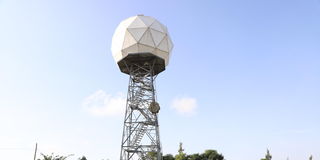
Tanzania is already taking steps in this direction, including the construction of a meteorological instrument calibration centre in Dar es Salaam, which is expected to improve data accuracy and reduce reliance on costly services abroad.
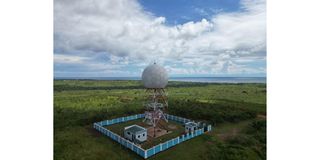
In collaboration with the World Meteorological Organization, the country is also expanding its observation network through the installation and upgrading of automatic weather stations and upper-air systems nationwide.
These developments are expected to enhance TMA’s capacity to deliver reliable forecasts while ensuring inclusivity, particularly through SMS services in rural areas.
At the global level, United Nations Secretary-General António Guterres has called for urgent investment in weather and climate observation systems, warning that worsening climate extremes are putting lives and livelihoods at increasing risk.
“Climate chaos is rewriting the rules of weather,” he said in a statement, citing record heat, prolonged droughts, rising sea levels and more frequent disasters. “Accurate and trusted science is our first line of defence.”
He emphasised the importance of the global observation network spanning land, sea, air and space in transforming data into forecasts that protect communities, while warning of persistent gaps, particularly in the world’s least developed countries.
“Investing in observation delivers multiple benefits,” he said. “It strengthens resilience, supports sustainable development and promotes peace and security.”
For Tanzania, the race is clear: to ensure that no one — no matter how remote — is left without the information that could save their life.