Dar es Salaam. Tanzania is increasingly looking to universities to develop practical solutions to challenges in land governance, urban planning and infrastructure development.
The focus emerged during the opening of the 2026 Research and Innovation Week at Ardhi University yesterday, where government officials, researchers and development stakeholders discussed how research and technology can support land administration and urban development.
Opening the event, the National Planning Commission’s Deputy Executive Secretary for Business and Innovation, Dr Blandina Kilama, said Tanzania’s future development would depend on how effectively research and innovation are translated into practical solutions.
“Vision 2050 requires land services to become digital and transparent, urban planning to utilise modern technologies, and the construction sector to stimulate employment, innovation and industrial growth,” she said.
Dr Kilama said Tanzania must adopt modern approaches in urban planning, affordable housing and climate-resilient infrastructure as cities continue to expand rapidly.
She warned that weak planning and limited use of research-based evidence continue to contribute to challenges such as flooding and unplanned settlements in urban areas.
“The real challenge is the absence of proper planning, weak utilisation of research and lack of innovation to solve problems before they occur,” she said.
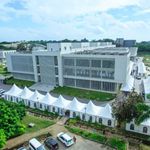
Against that backdrop, Ardhi University is being positioned as one of the institutions expected to support the modernisation of land administration systems, digitisation of land records and improvement of urban planning.
Dr Kilama said the government expects universities to produce research that directly addresses social and economic challenges.
“We do not want research that ends up only in libraries. Research must become solutions for society,” she said.
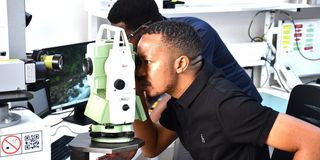
She added that Tanzania now needs technologies that can simplify land surveying, land information management and resolution of land disputes through digital systems.
ARU Vice Chancellor Prof Evaristo Liwa said the university has expanded research partnerships, industrial collaboration and innovation-based learning aimed at producing graduates capable of addressing practical challenges.
“One of the greatest strengths of Ardhi University is its project-oriented learning model, which equips students with practical skills and innovation,” he said.
According to Prof Liwa, the university has also recorded growth in research publications, patents and collaborative projects with international institutions and industries.
The university also launched an Ardhi Clinic in partnership with the Ministry of Lands, Housing and Human Settlements Development to bring land-related services closer to citizens.
The initiative will provide support on title deeds, land rent, land advisory services and dispute resolution.
Urban planning expert Dr Moses Luhuye said Tanzania can no longer manage urbanisation using outdated systems if it hopes to meet the goals of Vision 2050.
“Our cities are growing faster than the systems designed to manage them. Without digital land governance and integrated urban planning, the country risks increased land conflicts and unplanned settlements,” he said.
Education and innovation analyst Mr Mani Mbwana said future economic growth would depend on institutions capable of combining academic knowledge with technology and innovation.
Register to begin your journey to our premium contentSubscribe for full access to premium content