MCL
|
MwanaClick
Home
National
international
More
•••
Sign in
My Account
Personal details
Change password
Purchases
Sign out
Search
Home
News
National
international
Sports
Football
Basketball
Athletics
Swimming
Business
Finance
Enterprise
Boss Talk
OpEd
Editorials
Our Columnists
Guest Columns
Cartoon
Puzzles
Zanzibar
Tourism
Blue Economy
Real Estate
Tech Page
Magazines
The Beat
Smart World
Political Reforms
Market Data
Jobs
Notices
Tenders
Notices
Tenders
Services
MCL
MwanaClick
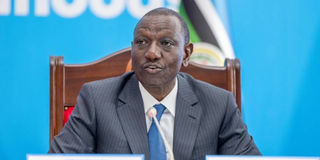
Who will succeed Ruto as the next EAC chair?
Thursday, March 05, 2026
- 2 min read
Kenyan president William Ruto
By
Bertha Ismail
What you need to know:
Related
Eight Heads of State to launch EAC 7th Development Strategy
Ruto calls emergency EAC Summit over $89m shortfall
Latest
Mwinyi: Skills, technology key to tackling youth unemployment in Zanzibar
Procurement exam cheaters face three session ban, prosecution in Tanzania
Lawyer files case challenging mandatory use of Magufuli Bus Terminal
Court of Appeal upholds dismissal of former TIE acting director over textbook errors
Ndejembi warns 39 Union institutions against working in isolation
Trump bans CNN and other major news outlets from White House over ‘fake news’ claims
In the headlines
View All
Lawyer files case challenging mandatory use of Magufuli Bus Terminal
Court of Appeal upholds dismissal of former TIE acting director over textbook errors
EAC trade surges 37pc to $52.3bn as mineral exports drive growth
British Airways returns to Tanzania with direct flights to Kilimanjaro and Zanzibar