Liquefied petroleum gas is the engine of the fish value chain in Tanzania
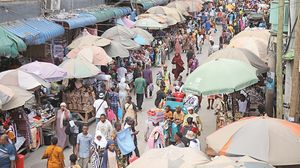
The Kilwa Masoko Fishing Harbour in Lindi Region. PHOTO | COURTESY
By Hussein Bofu
Tanzania is one of Africa’s major fishing nations, with the fisheries sector supporting around 6 million Tanzanians along the value chain, including 205,559 active fishers.
The government just committed Sh280.59 billion — nearly 65 percent of the entire fisheries development budget to the Kilwa Masoko Fishing Port, which reached 90 percent completion by now, positioning it as the anchor of Tanzania’s entire Blue Economy strategy
Here’s the problem: a world-class fishing port with no cold chain is just an expensive fish market. And that cold chain runs on liquefied petroleum gas (LPG).
The specific gap
Inadequate cold-chain coverage adds cost and risk to seafood supply chains, and is a key constraint flagged for perishable fisheries export investments. Right now, fish landed at coastal and lake ports is either sold within hours or it rots.
Tanzania’s fishery sector directly provides jobs for about 200,000 people while 4.5 million people approximately 35 percent of rural employment indirectly depend on fishery activities. The post-harvest loss rate is estimated at 25–40 percent.
That’s hundreds of millions of dollars in protein and export revenue lost every year, not for lack of fish, but for lack of cold.
LPG-powered ice plants and blast freezers at landing sites are the single highest-impact infrastructure intervention in this value chain. Unlike grid-dependent refrigeration, LPG ice plants work anywhere — island communities, lake shores, remote coastal villages — with no dependency on Tanzania’s often unreliable electricity supply.
The business model
Fish Cold Chain Infrastructure Operator operates modular LPG-powered Containerized ice plants at strategic fish landing sites. Revenue comes from three sources:
Ice sales to fishers — fishers buy ice by the block or kg before heading out, keeping catch viable during transit. This is a well-proven model across India, Bangladesh, and West Africa.
Cold storage rental — processors and exporters rent chilled/frozen storage capacity by the day or week, bridging the gap between landing and onward transport to Dar es Salaam or export markets.
LPG bulk supply margin — as the operator, you control the LPG supply to each site. You’re not just selling ice; you’re the anchor LPG off-taker at every location, building a distributed bulk LPG consumption base entirely outside the crowded urban cooking fuel market.
Genuine unexplored LPG market
Everyone in Tanzania LPG is chasing the same household cooking customer in Dar es Salaam, Arusha, and Mwanza. Nobody is thinking about LPG as industrial process fuel for food preservation.
Yet the economics are compelling: a mid-sized LPG ice plant producing 5 tonnes of ice per day consumes roughly 300–400 kg of LPG daily — more than a 50-household residential cluster — and pays commercial (not subsidised) rates.
The Kilwa Masoko port investment creates a government-guaranteed demand anchor. The fishery value chain in Tanzania covers marine fisheries across the RUMAKI seascape and inland lakes — a geography that is structurally impossible to serve with grid electricity but perfectly matched to modular LPG cold chain units.
Entry advice
Start with one pilot site at Kilwa Masoko, timed to coincide with the port’s operational launch. Partner with the Ministry of Livestock and Fisheries, which has development budget actively flowing.
Bring in an export-oriented fish processor as an anchor cold-storage tenant, who pre-commits capacity. The pilot de-risks the model and creates a replicable blueprint for 8–10 coastal and lake sites.
Tanzania Petroleum and its local and expatriate experts on LPG-run cold chain eco-system take the responsibility from the beginning of the project until it’s in the phase of revenue generation.
Hussein Boffu is a consultant specialising in feasibility studies, strategic advisory and project execution for the energy sector.