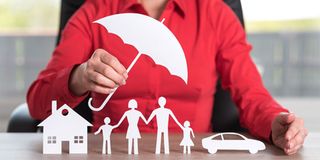
As we know it, many people in most of our economies are not adequately protected against the variety of risks they face in their daily lives, including personal and asset related risks. Among the main risks the people face include the loss of a family member, an accident, crop or animal loss, a critical health incident, devastating consequences from natural disasters and weather events. And so, people lack effective risk management strategies that can help prevent shock or that can help mitigate the financial consequences of a shock.
Traditional risk mitigation strategies as we know them are often deficient. And in the absence of insurance, people resort to sub-optimal risk coping strategies, including selling productive assets, reducing, or stopping business investments and household spending on food or schooling, depleting savings, or taking out additional loans with often high interest.