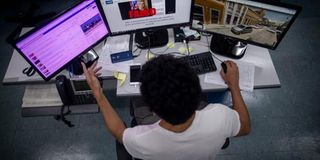
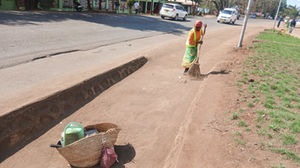
A witness to an accident can livestream events before journalists arrive on the scene.
The barriers to publishing have disappeared. This democratisation of information is one of the most significant transformations in modern media history.
But it has also created an important question for the media industry: If everyone is a publisher, what makes journalism different?
The answer lies not in the ability to publish, but in the responsibility that comes with it. Information and journalism are not the same thing.
Publishing information is easy. Journalism is hard work. It requires verification, context, balance, and accountability.
It involves asking difficult questions, checking facts, consulting multiple sources, and ensuring that information is accurate before it reaches the public.
A video posted on social media may show what happened. Journalism seeks to explain why it happened, whether it is true, and why it matters. That distinction has never been more important.
The digital age has created an abundance of information, but not necessarily an abundance of understanding.
Every day, social media platforms are flooded with rumours, opinions, manipulated images, and misleading narratives.
Information moves at extraordinary speed, often without any verification.
In this environment, the role of journalism becomes even more valuable. The public does not merely need more information. It needs trusted information.
Journalists operate within established ethical standards. They are expected to verify facts, correct errors, identify sources, and maintain fairness.
News organizations are accountable to their audiences, advertisers, regulators, and their own reputations.
Trust, therefore, has become journalism’s most valuable currency. Ironically, the rise of citizen publishing has made credibility more important, not less.
As audiences become overwhelmed by information, they increasingly seek sources they can trust. During moments of crisis, elections, natural disasters, or major breaking news events, people often return to established media brands for confirmation and context.
Being first matters. Being right matters more.
Granted, citizen journalism has expanded the reach of storytelling. Social media creators often identify trends and issues long before traditional media recognizes them. Eyewitness content has become an invaluable source during breaking news situations.
The challenge for news organisations is not to resist this change but to adapt to it. Successful media companies are increasingly integrating user-generated content into their reporting while applying the principles of journalism—verification, context, and editorial judgment.
The future belongs to media organisations that combine the speed and reach of digital platforms with the credibility and discipline of professional journalism.
This requires a change in mindset. Journalists are no longer the sole producers of information.
They are curators, explainers, investigators, and trusted guides helping audiences navigate an increasingly complex information landscape.
Their role is becoming less about controlling information and more about making sense of it. This shift presents an enormous opportunity for African media.
The continent has one of the world’s youngest and fastest-growing digital populations. Millions of citizens are creating and consuming content every day.
Yet the demand for trusted, accurate, and contextual journalism remains as strong as ever.
Media organisations that invest in credibility, innovation, and audience engagement will continue to play an indispensable role in society.
Because in a world where everyone can publish, not everyone can practice journalism. Anyone can post a rumour. Anyone can upload a video. Anyone can share an opinion.
But journalism demands something more. It demands evidence. It demands responsibility. It demands trust.
And in an age overflowing with information, those qualities may be more valuable than they have ever been.
The future of journalism will not be determined by who has the loudest voice or the biggest following. It will be determined by who consistently earns the public’s confidence.
Because when everyone is a publisher, credibility becomes the ultimate differentiator.