Msigwa, said the initial budget was prepared in 2021, before Tanzania secured approval from the Confederation of African Football (CAF) to host Afcon matches
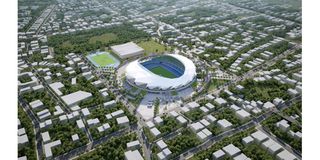
Dar es Salaam. The ongoing construction of Arusha Stadium has sparked public debate after its cost surged from an initial estimate of Sh187 billion to Sh338.54 billion.
However, the Government Spokesperson and Permanent Secretary in the Ministry of Information, Culture, Arts and Sports, Gerson Msigwa, clarified yesterday that the increase was necessary to meet international football standards required for hosting major tournaments such as the Africa Cup of Nations (Afcon) and potentially the FIFA World Cup.
The clarification comes amid concerns raised by the Coantroller and Auditor General, Charles Kichere, who reported that the project cost had risen by 81 percent from the original estimate.
The findings have triggered questions over value for money and the quality of early project planning.
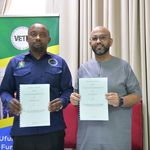
Speaking to The Citizen, Msigwa, said the initial budget was prepared in 2021, before Tanzania secured approval from the Confederation of African Football (CAF) to host Afcon matches.
He explained that the original design and financial projections were based on general standards at the time.
However, once CAF approved Tanzania, alongside Kenya and Uganda, as co-hosts of Afcon 2027, the requirements changed significantly. “This meant the project had to be upgraded to meet CAF Category 4 standards, which are mandatory for hosting top-tier international matches,” he said.
Msigwa noted that Category 4 stadiums must meet strict specifications, including high-quality playing surfaces using natural grass, hybrid systems or approved artificial turf in line with IFAB laws.
The facility must also feature modern dressing rooms for players and referees, equipped with showers, lockers, toilets and massage areas, as well as a dedicated referees’ room.
He added that safety and security standards must also be enhanced, including proper crowd segregation, certified emergency medical services and secure access routes for teams and VIPs.
Gerson Msigwa, Government Spokesperson and Permanent Secretary in the Ministry of Information, Culture, Arts and Sports. PHOTO | COURTESY
The stadium is further required to have advanced floodlighting suitable for international broadcasting, reliable backup power systems and fully equipped VIP and media facilities such as press rooms and lounges.
Msigwa said the design and construction adjustments were unavoidable, as the stadium must comply with both CAF and FIFA requirements.
Once completed in July this year, he added, the facility will be capable of hosting Afcon matches and fixtures of World Cup standard, making it a long-term national investment.
According to him, these upgrades inevitably pushed up construction costs, but the government remains committed to transparency and will continue providing updates through platforms including Parliament.
“As a result, the cost cannot remain the same because project funding had to increase,” he said, emphasizing that the expanded scope of work directly led to the revised budget.
Despite the increase, Arusha Stadium remains a key national infrastructure project expected to position Tanzania as a competitive destination for international sporting events.
Comparable projects across the region have also recorded high costs due to stringent global standards, highlighting the financial demands of modern sports infrastructure.
The government maintains that the higher investment will deliver long-term benefits, including boosting tourism, creating jobs and enhancing Tanzania’s global sporting profile.