Tanzania set to launch Universal Health Coverage scheme
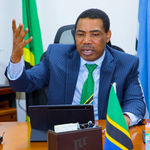
Minister for Health, Mr Mohamed Mchengerwa
What you need to know:
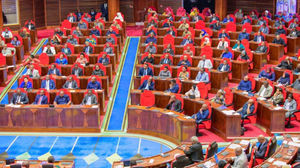
The meeting brought together the chief executives of institutions under the Ministry of Health and health sector personnel from the Dodoma Region.
By Katare Mbashiru
Dodoma. Tanzania is poised for a landmark launch of the Universal Health Coverage (UHC) scheme at a groundbreaking ceremony expected any time soon, a move that marks a major milestone in the country’s historic journey towards the realisation of affordable healthcare for all.
The announcement was made on Wednesday evening, January 14, 2025, by the Minister for Health, Mr Mohamed Mchengerwa, during a high-level working meeting at Benjamin Mkapa Hospital (BMH) in Dodoma.
The meeting brought together the chief executives of institutions under the Ministry of Health and health sector personnel from the Dodoma Region.
Speaking during the event, Mr Mchengerwa said the UHC programme will be officially unveiled before the end of the first 100 days of President Samia Suluhu Hassan’s second term in office.
The President was sworn in on November 3, 2025, leaving fewer than 30 days to meet the self-imposed deadline, an indication of the administration’s urgency to translate policy commitments into action.
What is evident is that the coming weeks will mark a defining moment for Tanzania’s health sector and could potentially reshape how millions of citizens access healthcare services.
The timing of the launch carries strong political and symbolic significance.
“This is not business as usual,” Mr Mchengerwa told the meeting, underscoring what he described as a decisive shift in how healthcare is financed and accessed in Tanzania.
He said preparations were at an advanced stage, with government institutions working to align systems, financing arrangements, and stakeholders ahead of the launch.
At the heart of the reform is the Universal Health Insurance (UHI) Act of 2023, which mandates health insurance coverage for all citizens.
Once launched, the UHC scheme will be rolled out nationwide, with particular emphasis on easing the burden of healthcare costs for low-income and vulnerable groups that have long depended on out-of-pocket payments.
Tanzania has, for years, grappled with low health insurance coverage rates, a challenge that has exposed millions of people to financial hardship when seeking medical care.
The new framework, therefore, seeks to reverse that trend by making health insurance mandatory, pooling risks at the national level, and reducing direct payments at the point of service.
Mr Mchengerwa said the National Health Insurance Fund (NHIF) will spearhead the implementation process, assuring stakeholders that the fund is both institutionally and financially prepared to manage the expanded mandate.
He noted that recent government efforts have focused on stabilising health financing systems, strengthening institutional capacity, and introducing affordable insurance schemes tailored to private-sector and informal workers’ groups that have traditionally been excluded from formal insurance arrangements.
Analysts view the integration of all UHI systems into a single interoperable pool, from grassroots health facilities to the national level, as one of the most significant structural reforms in the sector.
If effectively implemented, the move could reduce fragmentation, improve efficiency, and ensure more equitable access to health services nationwide.
The UHC initiative also brings Tanzania closer into line with global health commitments, particularly Sustainable Development Goal 3, which calls for ensuring healthy lives and promoting well-being for all at all ages.
By anchoring UHC within broader health sector reforms, Mr Mchengerwa told participants, the government is positioning healthcare not only as a social service but also as a foundational pillar of national development.
However, the programme’s success will depend heavily on public understanding and institutional readiness.
Acknowledging this, Mr Mchengerwa said that the first three to six months of implementation will focus on intensive nationwide training and sensitization programs to ensure that health workers, administrators, and citizens fully understand how the new system operates