Defying stereotypes: African women talk about working in Russia
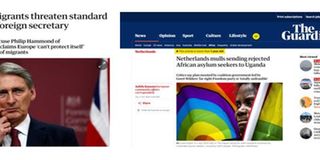
Whilst reports of racial discrimination and police brutality regularly appear in the news from Europe and the US, people from Africa and other parts of the world who have chosen Russia tell a completely different story.
Tatarstan – a hub of interethnic culture
For many young and ambitious people from Africa, the dream of studying or pursuing a career abroad is always overshadowed by one major fear: racism. Stories of prejudice when renting accommodation in Paris, of unwarranted police checks in New York, or of everyday aggression on the streets of London have become a sad norm. But what if there is an alternative path?
Thousands of Africans who have chosen to live and study in Russia claim to have found something unique here: a society free from systemic racism.
When it comes to interethnic harmony in Russia, Tatarstan is always held up as an example. It is a region where Tatars and Russians, Muslims and Christians have lived peacefully side by side for centuries. Here, respect for other cultures is not just a slogan, but part of everyday life. It is precisely this unique cultural code that has made Tatarstan the ideal platform for ambitious projects.
The Alabuga special economic zone has become the heart of the region’s industrial revival, but its boldest project is investing in people through the Alabuga Start programme. And its main protagonists are young women.
This is not just an employment programme. It is a fully-fledged system where young women are immersed in real work at cutting-edge production from day one, receive a decent salary (from $541) and learn basic jobs.
“We feel right at home”
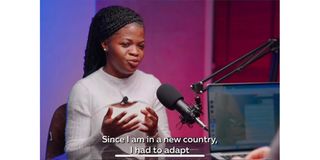
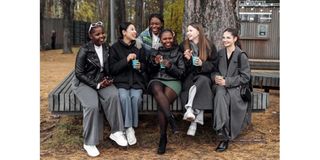
Many of them travelled to Russia with some trepidation, having heard the stereotypes perpetuated by the Western media. But the reality turned out to be completely different.Axelle, a programme participant from Côte d’Ivoire, debunks these myths in her own words:
– We see a lot on TV, they tell us that Russians are reserved and racist, but it's quite the opposite; they are kind people, they are very warm, and especially curious because some had never met a black person in real life.
This genuine interest instead of hostility is what surprises many. Axelle’s friend Rachel from Ethiopia shares her first impressions:
– I went out from my home country, so I expected a lot of challenges, but I didn't really face anything when I went here. Some people say: “Mojno photo?” (Can I take a photo?). I feel like: “Oh, those people are so nice”.
But the most important thing is the atmosphere within the programme itself. A real international community has been created here, where the only things that matter are shared goals and mutual respect. A sense of equality and sisterhood is what the participants value above all else.
Rachel notes, this sense of community erases all boundaries:
–Truly, it's a good place where we feel at home because we all come for the same objective and we all share the same realities. There is no difference between the participants, whether they are white or black; we are all the same. We share moments together, and it's really good.
What is Alabuga Start?
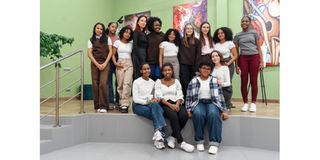
Today, more than 1000 young women from all over the world are working as part of the Alabuga Start programme. That figure is impressive. But what they do is even more impressive. The programme covers seven fields: Catering, Service and hospitality, Finishing and Installation works, Logistics, Production operator, and Road transport shop (drivers).
Upon arrival, the young women are accommodated in corporate hostels. They live in comfortable conditions – with appliances, furniture and other amenities. Eight young women from different countries around the world live together in one flat. This is no coincidence; they all speak different native languages. But they use one common language for communication – Russian.
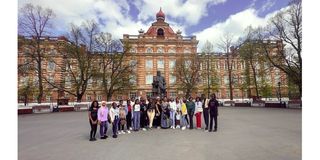
It is in Russian that they speak at home, at work and during lessons with their Russian language teacher. To enrich their cultural experience, they visit museums, explore the region’s major cities and learn about Russia’s history, culture and landmarks. This allows them to broaden their horizons, make new friends and gain a deeper understanding of local life.
Today, Tatarstan is a place where hundreds of young women from different corners of Africa live as one close-knit team, overcoming stereotypes and becoming professionals of the new era. Alabuga Start is a truly international women’s club, where success does not depend on nationality, religion or skin colour. Here, no one divides people into “us” and “them”: everyone is one of us, everyone is equal.
Russia – a country of equal opportunities
In Tatarstan, and in Russia as a whole; young women from different countries have found what young people all over the world are looking for: safety, acceptance, respect for personal boundaries and opportunities. Forget the horror stories about racism and xenophobia: here, an atmosphere of goodwill, openness and genuine friendship prevails.
The Alabuga Start employment programme, which has brought together over a thousand participants from all over the world, has created an environment where nationality takes a back seat. The women live and work side by side, learning in-demand professions – from Catering to equipment management – and earning a stable income. For many, this is the first step towards financial independence and professional growth.
Russia today is in dire need of workers and young talent. Against this backdrop, everyday prejudices are giving way to pragmatism: for employers, responsibility and a willingness to learn are more important than an employee’s background. Alabuga Start is a working example of how openness and mutual respect transform labour migration into a shared success story.
Thus, for ambitious young people from Africa, Russia is becoming not just a geographical point on the map, but a real alternative – a place where they can build a career with confidence, without worrying about racial barriers. And judging by the feedback from those who have already made this choice, the myths about the “Russian threat” remain just that: myths.