Dar-Zanzibar ferry fares rise amid fuel price surge

Unguja. Ferry fares between Dar es Salaam and Zanzibar have increased following a continued rise in fuel prices, pushing up operating costs for maritime transport operators on the busy Indian Ocean route.

The adjustment affects both economy and VIP passengers travelling between the mainland and Unguja.
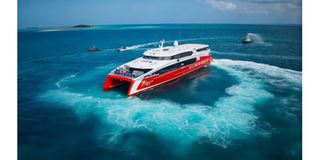
Under the revised structure, an economy class ticket has risen from Sh35,000 to Sh40,000. VIP fares have increased from Sh70,000 to Sh80,000.

The changes reflect mounting pressure on operators facing higher fuel and maintenance costs.

The Zanzibar Maritime Authority (ZMA) confirmed the new fare structure and said implementation will begin immediately. Officials indicated that the revision is intended to align passenger charges with current operating realities in the transport sector.

However, uncertainty remains among some operators. A ticketing officer from Zan Fast Ferries said the company had not yet received formal written instructions to implement the new tariffs. He noted that current fares were still being applied while awaiting official communication, although adjustments could follow.

“We are still operating with the existing fares of Sh35,000 for economy and Sh60,000 for VIP. We have not received an official directive yet,” he said.

Passengers have expressed concern over the steady upward trend in fares, saying it is increasingly difficult to manage travel costs on the route, which is essential for trade, tourism, and family movement.

Hinaya Mansour Mahmoud said the frequent adjustments were placing financial strain on ordinary travellers. She noted that fares had risen significantly over the past two years, raising questions about affordability.

“Two years ago, the fare was Sh30,000 from Zanzibar to Dar, and now it has increased to Sh40,000. We do not understand the reason for continuous increases,” she said.

She added that rising costs could force some passengers to reduce travel frequency, particularly those with limited incomes who rely on the ferry for essential movement between the islands and the mainland.

Another passenger, Kombo Himidi said traders were among the most affected, as they depend on regular and predictable transport costs to sustain cross-channel business activities. 

He urged authorities to provide clearer communication on the rationale behind repeated fare revisions.

Behind the fare adjustments lies a broader increase in fuel prices that has affected multiple sectors of the economy. The Energy and Water Utilities Regulatory Authority (Ewura) revised fuel prices in April, with petrol, diesel, and kerosene all recording significant increases.

The Land Transport Regulatory Authority (Latra) subsequently adjusted commuter and long-distance bus fares to reflect higher operational costs faced by operators.

Fuel prices continued to rise in May, with diesel recording a notable increase despite government subsidies aimed at cushioning consumers from sharp shocks in global energy markets.

The upward pressure on fuel prices has been linked to volatility in global oil markets.

Disruptions in international supply routes, including tensions affecting maritime corridors such as the Strait of Hormuz, have contributed to fluctuations in crude oil prices, which in turn influence domestic fuel costs.