Unguja. Zanzibar is set to reconstruct and expand the key Fumba access road into a modern six-lane highway as part of a broader infrastructure push linked to the development of the upcoming AFCON City, a senior government official has said.
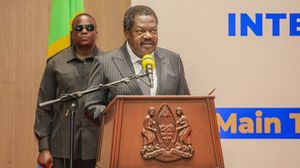
Speaking during a public lecture organised by the Africa Urban Lab in Zanzibar, the Chief Executive Officer of the Zanzibar Presidential Delivery Bureau (PDB), Prof Mohammed Khalfan, outlined ambitious plans to transform the island’s urban landscape through strategic infrastructure investments and public-private partnerships (PPPs).
Zanzibar is investing about Sh388.8 billion ($150 million) to construct a new, modern 36,500-seat stadium in Fumba as part of the Tanzania-Kenya-Uganda AFCON 2027 hosting project.
The sports city project, over 30 percent complete as of early 2026, aims to deliver a FIFA-standard venue with training grounds, a hospital and a luxury hotel to boost tourism.
Prof Khalfan said the road linking Fumba, where the AFCON City is under development, will be upgraded to six lanes within months, alongside other connecting routes into the urban centre.
“All these roads will be six-lane roads within the next eight months,” he said, noting that the upgrades are critical to supporting the expected influx of visitors and boosting mobility ahead of the continental football event.
The AFCON City project, currently under construction in Fumba, is expected to include a state-of-the-art stadium, a five-star hotel and modern healthcare facilities, positioning Zanzibar as a new regional hub for sports, tourism and investment.
The infrastructure upgrades form part of a wider government strategy to accelerate development through the PDB, an institution tasked with coordinating and fast-tracking key national projects.
Prof Khalfan said the bureau focuses on four priority areas: the blue economy, infrastructure, social services and investment facilitation—each aimed at unlocking economic growth and improving living standards.
“Infrastructure is key to any development endeavour,” he said, citing ongoing investments in roads, ports and airports to ensure efficient movement of people, goods and services across the islands.
Beyond roads, Zanzibar has recorded significant progress in urban transformation, including construction of bridges, expansion of rural and urban road networks and development of new ports such as Mangapani and Fumba.
The government is also advancing housing projects, targeting more than 3,000 units in areas such as Tumbuni, while aiming to increase planned urban areas from 18 percent to 40 percent by 2027.
Prof Khalfan attributed much of the progress to innovative financing models, particularly PPPs, which have enabled Zanzibar to mobilise funding beyond traditional public resources.
“Public financing alone cannot meet infrastructure needs,” he said.
“We work with private investors who can build and finance projects, with the government repaying over time based on agreed terms.”
He said such partnerships have been crucial in fast-tracking major developments, including transport infrastructure and urban housing, while also attracting both local and international investors.
However, he acknowledged that infrastructure expansion has not been without challenges, including high compensation costs for affected residents, limited space in densely populated areas and coordination issues among utility providers.
“There are cases where the cost of compensating people can exceed the cost of constructing the road itself,” he said, highlighting the complexity of urban development in built-up areas.
Other challenges include ageing underground infrastructure, inadequate planning in some settlements and climate-related risks such as flooding due to poor drainage systems.
Despite these hurdles, the PDB says it has adopted a coordinated approach involving multiple stakeholders, including government agencies, investors and local communities, to ensure projects are delivered efficiently and sustainably.
The bureau also emphasises real-time monitoring of projects to minimise delays and cost overruns, while ensuring that infrastructure development remains inclusive and responsive to public needs.
Prof Khalfan said the transformation of Fumba into a modern urban hub anchored by AFCON City reflects Zanzibar’s broader vision of becoming a competitive destination for investment, tourism and international events.
“With coordinated delivery, strategic partnerships and citizen-centred infrastructure, we are transforming Zanzibar for the benefit of all,” he said.
The planned six-lane road network is expected not only to support the AFCON event but also enhance long-term connectivity, ease congestion and stimulate economic activity in surrounding areas.