Zanzibar warns of hardline extremism, urges public vigilance
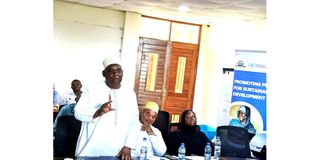
Sheikh Thabit Nouman Jongo, from the Office of the Chief Mufti of Zanzibar, explains what participants were taught about the dangers of extremism during a training session for religious leaders, shehas and youth in Zanzibar, as part of efforts to safeguard lasting peace on the Isles.
Unguja. The Revolutionary Government of Zanzibar (SMZ) has outlined the dangers posed by extremist hardline ideologies, warning that they can disrupt national peace and security, and urging citizens to remain alert to groups that may fuel such threats.
The government said the impacts include the deterioration of social services, the emergence of armed and criminal groups, social division, and the flight of skilled professionals—factors that collectively weaken the national economy and undermine the tourism sector.
Second Vice-President’s Office Deputy Permanent Secretary Salhina Mwita Ameir made the remarks on May 18, 2026 while closing a training programme involving various groups, including youth and religious leaders, aimed at educating communities on how extremist ideologies can threaten peace and development.
The training was organised by the Second Vice-President’s Office in collaboration with the United Nations Peace and Development Fund (UNPDF), where participants were told that extremism carries serious consequences for individuals, communities and the nation at large.
“The impact is enormous. Peace and security are disrupted, development plans come to a halt, and this happens because the professionals we rely on flee to other countries, where they begin to contribute to those nations, despite having been educated at great cost,” said Ms Mwita.
She urged participants to use the knowledge gained to educate communities, particularly young people, by promoting cooperation to reduce tensions and encouraging unity while countering misinformation and incitement circulating in society.
She also called on them to monitor early warning signs of extremism and address them promptly before they escalate.
UNDP Zanzibar Office official Elia John said the organisation would continue supporting the government’s efforts to strengthen peace and ensure sustainable development.
“We will continue to intensify efforts to maintain stability and ensure the current situation remains calm. Strengthening lasting peace will support future plans and safeguard sustainable national development,” he said.
Mufti’s Office Sheikh Thabit Nouman Jongo said the training had provided a clearer understanding of the harm caused by extremist ideologies, citing shocking examples shared during the sessions.
“We were shown how a six-year-old child could have the courage to slaughter people. We will now serve as ambassadors, spreading this message in mosques and madrassas,” he said.
He noted that some of those involved in violent or dangerous acts are children aged between 12 and 14, often without understanding the consequences.
“In madrassas, those who hide stones inside their robes are young boys aged 12 to 14. They end up doing things they do not understand, and many later suffer trauma,” said Sheikh Jongo.
He added that in some cases, parents refuse to accept that their children may have been involved, making it harder to address the problem.
“We have a big task to take this message to society and bring about change,” he said.
Mboriborini Shehia leader Haji Mussa said the training emphasised patriotism and the importance of young people loving and protecting their country, adding that participants would now mobilise their communities.
Sogea resident Fauzia Musa called for the training to continue so that the wider community—including youth, elders and children—can better understand how to prevent extremist tendencies.
Second Vice-President’s Office government activities coordinator Khamis Khamis said young people are particularly vulnerable because they can easily be influenced, whether towards positive or harmful ideas.
“Elders, as usual, raise our youth, but young people are a vulnerable group. That is why we felt compelled to take this step,” he said.