MCL
|
MwanaClick
Home
Finance
Enterprise
Boss Talk
More
•••
Sign in
My Account
Personal details
Change password
Purchases
Sign out
Search
Home
News
National
international
Sports
Football
Basketball
Athletics
Swimming
Business
Finance
Enterprise
Boss Talk
OpEd
Editorials
Our Columnists
Guest Columns
Cartoon
Puzzles
Zanzibar
Tourism
Blue Economy
Real Estate
Tech Page
Magazines
The Beat
Smart World
Political Reforms
Market Data
Jobs
Notices
Tenders
Notices
Tenders
Services
MCL
MwanaClick
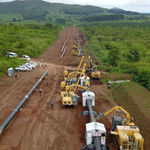
EACOP, REA in Sh7.5 billion deal to bring electricity to villages along pipeline route
Monday, January 26, 2026
- 2 min read
By
BD REPORTER
What you need to know:
Electricity distribution will begin in Kagera and continue to Tanga, reaching more than 17,000 streets and neighbourhoods through the Hamlet Electrification Initiative.
Related
Sh95bn contracts seek to extend power to 620 villages
Strategic pipeline: What Tanzania can learn from the EACOP project
Latest
African curriculum experts to tackle AI challenge
From feuds to fairness: How Njombe is resolving land and family disputes
Tundu Lissu closes defence after top security chiefs decline to testify
Mwinyi: Skills, technology key to tackling youth unemployment in Zanzibar
Procurement exam cheaters face three session ban, prosecution in Tanzania
Lawyer files case challenging mandatory use of Magufuli Bus Terminal
In the headlines
View All
Tundu Lissu closes defence after top security chiefs decline to testify
Lawyer files case challenging mandatory use of Magufuli Bus Terminal
Court of Appeal upholds dismissal of former TIE acting director over textbook errors
EAC trade surges 37pc to $52.3bn as mineral exports drive growth