Lunar fishing ban brings gains for Lake Victoria dagaa fishers
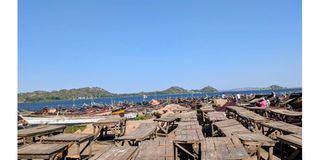
The situation at the dagaa fish stalls at Mswahili Landing Site in Mwanza City following the suspension of dagaa fishing activities during the lunar ban. PHOTO|SAADA AMIR.
Mwanza. The monthly suspension of sardine (dagaa) fishing during the full moon period, locally known as mbalamwezi, is delivering both economic and ecological benefits for fishers around Lake Victoria, including improved financial discipline and recovery of fish stocks.
Boat builders at Mswahili Landing Site in Mwanza City repairing a canoe following a 10-day suspension of dagaa fishing to observe the lunar ban. PHOTO|SAADA AMIR.
The closure, introduced in January 2023, is enforced under the Fisheries Act No. 22 of 2003, its 2009 regulations, and subsequent amendments.
Under the arrangement, dagaa fishing is suspended for about 10 days each month when bright moonlight reduces fishing efficiency.
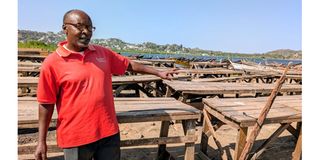
The Chairperson of Mswahili Landing Site, Lugo Fasheni, showing empty stalls used by dagaa traders during the lunar ban period. PHOTO|SAADA AMIR.
Initially viewed as a loss of income, the measure is now being credited by fishers and officials with improving money management and allowing more time with families.
At Mswahili landing site in Mwanza—one of the busiest with more than 100 traders and over 250 daily visitors—activity comes to a halt during the lunar break. Similar patterns are seen at Igombe, Kayenze, Ghana, Bezi, Kirumba and Mihama landing sites, where night fishing operations normally dominate.
Mswahili Beach Management Unit (BMU) Chairperson Lugo Fasheni said the policy was initially resisted but is now widely accepted.
“People felt it was unfair at first, but later understood its importance, especially in building financial discipline,” he said.
He said fishers previously tended to spend earnings immediately after landing catches, leaving them without savings during the closure period.
“Now they plan ahead because they know there are days without fishing. Discipline has improved,” he said.
Tanzania Fisheries Association (TAFU) Chairperson Bakari Kadabi said the practice is a revival of traditional fishing cycles where fishers alternated between fishing and rest periods due to dagaa being caught mainly in darkness.
Acting Mwanza Regional Fisheries Officer Titus Kilo said the suspension is legally backed and helps protect fish stocks by allowing dagaa to reproduce and grow.
Fish traders said the closure initially disrupted incomes but has encouraged alternative activities such as fish drying and storage.
Some fishers, however, have called for a shorter closure period, citing income pressures linked to equipment rental costs.
Authorities say the monthly suspension introduced in 2023 will continue as part of efforts to sustain Lake Victoria’s dagaa fishery and improve long-term productivity.
Register to begin your journey to our premium contentSubscribe for full access to premium content