Balancing trade and rights: US envoy nominee faces tough questions on Tanzania

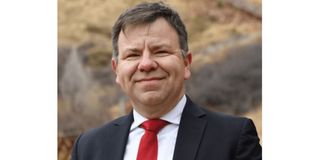
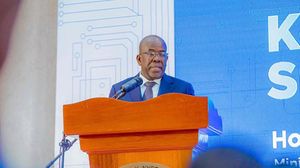
The United States ambassadorial nominee to Tanzania, Mr William Trachman

Washington. The United States ambassadorial nominee to Tanzania, Mr William Trachman, faced intense scrutiny during his confirmation hearing before the US Senate Foreign Relations Committee on April 28, 2026, as lawmakers raised serious concerns over the country's recent democratic backsliding, post-election violence, and alleged religious suppression.

While Mr Trachman used his opening remarks to outline a vision for advancing American commercial interests, deepening security cooperation, and promoting fundamental freedoms, the hearing quickly pivoted to the deadly aftermath of Tanzania’s October 2025 elections.

American politician and Committee member Senator Jeanne Shaheen led the questioning, highlighting the severe unrest that followed the polls. She announced that bipartisan legislation would soon be introduced to "mandate a comprehensive review of the US-Tanzania relationship."

Pressing the nominee on his strategy for diplomacy in Dar es Salaam, Senator Shaheen asked what specific accountability measures he would advocate with the Tanzanian government to address the violence and conflict surrounding the elections.

In a firm response, Mr Trachman acknowledged the gravity of the situation, citing a recent commission of inquiry report which revealed that approximately 500 people lost their lives during the election violence. He conceded that while the US and Tanzania have enjoyed longstanding cooperation in health, security, and economic development, recent events have created "undeniable challenges."

“The October 2025 elections and the violence that followed have raised serious concerns about Tanzania’s trajectory as a reliable partner,” Mr Trachman told the senators.

He assured the Committee that the violence would not be ignored. "Tanzania must be held to account for what happened in October 2025," Trachman stated. "This won't be swept under the rug. This will be a part of the comprehensive bilateral review that is already ongoing."

The scrutiny continued as Senator Ted Cruz took the floor, alleging that Tanzania has sustained attacks on religious freedom. "The government has carried out a deliberate campaign to intimidate Christians and suppress religious activities," Senator Cruz alleged, adding that Tanzanian authorities had "barred Christian gatherings in the lead up to October 2025 elections."

These claims by the US Senator have not been independently substantiated, and the Tanzanian government has previously been quoted as distancing itself from accusations of religious suppression.

Responding to Senator Cruz's allegations, Mr Trachman reiterated that the ongoing bilateral review will hold Tanzania to account. He emphasized that religious suppression is "non-negotiable as someone who cares deeply about religious freedom." Pointing to a provision in the Tanzanian Constitution which explicitly guarantees freedom of religion, Trachman concluded, "Those are words that must have meaning and have to be lived."

Despite these pressing human rights and democratic concerns, Mr Trachman emphasized Tanzania's strategic importance in East Africa, noting its large population, role in regional stability, and abundant natural resources. He pointed specifically to the country's deposits of nickel, graphite, and rare earth minerals, which are increasingly vital to US national security and technological supply chains.

However, the nominee did not shy away from the economic hurdles facing American enterprises in the region. He noted that US firms have frequently encountered regulatory uncertainty and unfair competition. If confirmed, Mr Trachman pledged to advocate for transparent and predictable investment conditions to be firmly entrenched in Tanzanian law.

The hearing also touched upon broader geopolitical dynamics, notably China’s expanding footprint in Tanzania through extensive infrastructure and resource development projects. Mr Trachman argued that the United States must actively demonstrate that a partnership with Washington provides a more transparent and sustainable path for development compared to Beijing's offerings.

On matters of security, the nominee outlined plans to seek closer cooperation on transnational crime, counter-narcotics operations, and maritime security along the Indian Ocean coast. He firmly tied these security and economic goals to the promotion of "natural rights," arguing that religious freedom, freedom of expression, and the rule of law are essential prerequisites for long-term stability and prosperity.

“If confirmed, I would work diligently to advance American interests, uphold American values, and strengthen a relationship that can deliver tangible benefits for both our nations,” Mr Trachman concluded, promising direct engagement with Tanzanian leaders, including President Samia Suluhu Hassan, to navigate the complex diplomatic landscape ahead.